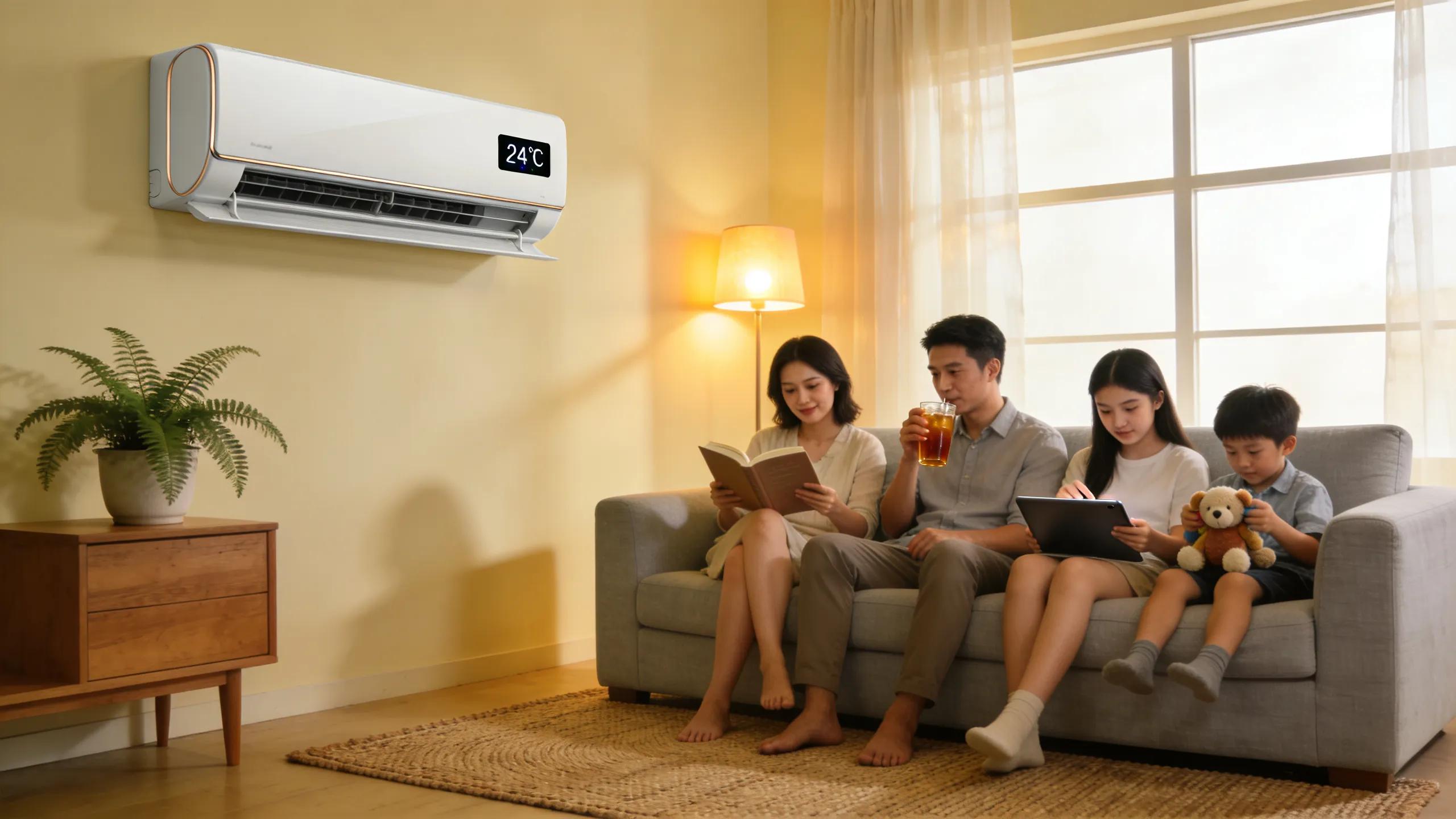
Cozy living room with air conditioning unit showcasing comfort during summer months

AC Not Cooling? Discover Common Causes & Repair Tips

Rattling Noises in Your Heating System: Causes & Solutions

When your air conditioner (AC) isn’t cooling as expected, especially during those hot summer days here in Richmond, TX, we understand how uncomfortable that can be. At Mega A/C Cooling & Heating, we’ve helped numerous clients restore their comfort by diagnosing and fixing common and complex cooling issues. This guide shares insights into what might be causing your AC troubles and how you, as a homeowner, can troubleshoot before calling us to provide expert assistance.

This article covers frequent reasons for an AC not cooling effectively, actionable DIY tips for troubleshooting, and an explanation of key components like compressors and thermostats. We’ll also walk you through essential maintenance practices to keep your unit running efficiently, how to safely check refrigerant levels, recognize if your AC is freezing up, and when it’s time to get professional support right here in Richmond, TX.

Common Causes for an Air Conditioner Not Cooling Properly

Many issues can reduce your AC’s cooling efficiency. Here are some of the main culprits we often address:

  • Dirty or Clogged Filters: Air filters are responsible for trapping dust, allergens, and debris, ensuring the air cycling through your home remains clean and safe. When a filter becomes clogged, airflow significantly diminishes, forcing your AC system to work harder and cool less effectively. Regular replacement is crucial to avoid this problem and maintain indoor air quality.
  • Refrigerant Leaks: Refrigerant is essential for heat transfer in your AC system. If there’s a leak, refrigerant levels drop, which prevents your AC from cooling correctly and can damage the compressor over time. Detecting leaks early can prevent costly repairs and maintain system efficiency.
  • Thermostat Settings Issues: Sometimes the problem lies in the thermostat settings. An improperly set or malfunctioning thermostat can cause your AC to fail to activate or stop cooling before reaching the desired temperature. Checking and calibrating your thermostat ensures your unit responds correctly to your cooling needs.
  • Blocked or Dirty Coils: Both the evaporator and condenser coils are vital for the heat exchange process. If these coils accumulate dirt or debris, it limits their effectiveness, leading to poor cooling performance. Cleaning coils regularly helps your AC work optimally and extend its lifespan.
  • Poor Airflow: Airflow problems caused by duct obstructions or faulty blowers can limit the cool air reaching your rooms. Identifying and clearing any blockages is essential for ensuring consistent cooling throughout your home.

Effective DIY Solutions

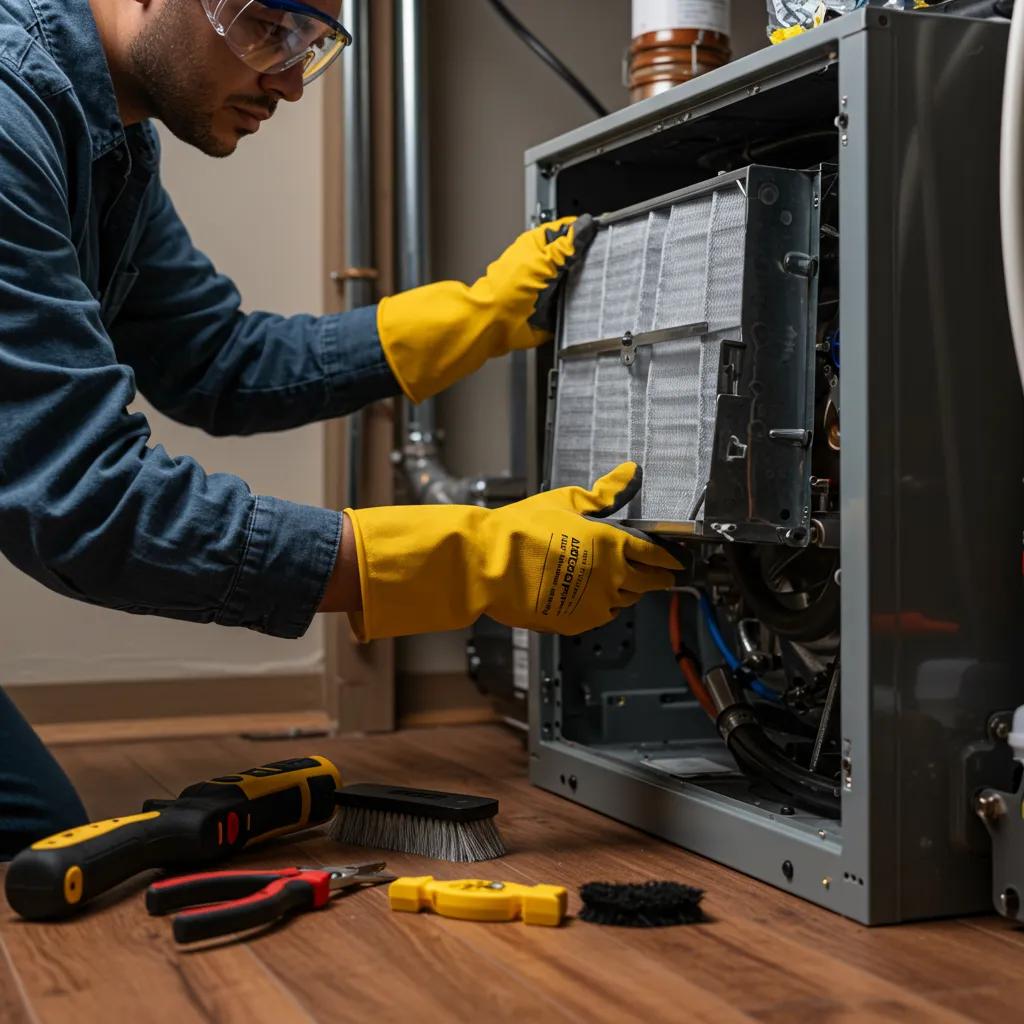
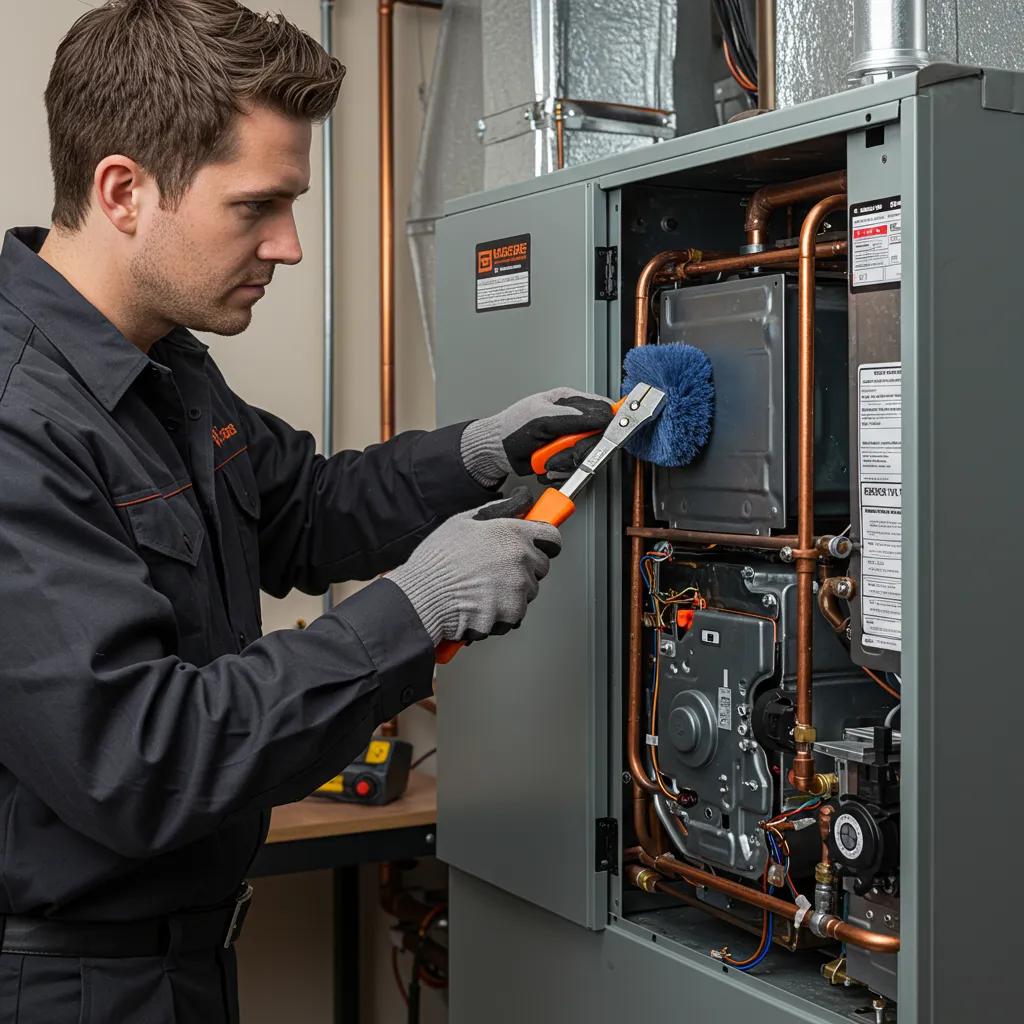
Person cleaning air conditioning coils to improve cooling efficiency

After pinpointing what might be causing your AC issues, try these practical steps to help restore cooling before calling in the professionals:

  • Change Filters Regularly: Replacing air filters every 1 to 3 months keeps your system breathing properly and reduces strain on components. This easy step can dramatically improve airflow and indoor air quality.
  • Check Thermostat Settings: Make sure your thermostat is set to “cool” mode at the temperature you desire. If it seems unresponsive or inaccurate, recalibrating or replacing it can save you time and energy.
  • Clean Coils: You can gently clean the indoor evaporator and outdoor condenser coils using a soft brush or cloth. Keeping coils clean ensures efficient heat exchange and better cooling performance.
  • Inspect Ducts for Blockages: Look for visible debris or obstructions in your ductwork and clear any that could be restricting airflow. Improved airflow will help cool your household evenly and efficiently.
  • Clear Outdoor Unit: Debris such as leaves, grass, and dirt around the outdoor condenser unit can block airflow. Keeping this area clean promotes proper function and extends the life of your unit.
  • Contact Professionals if Unresolved: If these measures don’t restore adequate cooling, we at Mega A/C Cooling & Heating are here to provide thorough diagnostics and repairs to get your system back to full strength.

Can a Faulty Compressor Cause AC Not Cooling?

The compressor is key to the cooling cycle; it circulates and pressurizes refrigerant through the system. If it fails, your AC will not cool your home effectively. We frequently see clients in Richmond, TX dealing with compressor issues, and addressing these promptly prevents major breakdowns.

Symptoms of a Faulty Compressor:

  • Warm Air Blowing: When the AC runs but only blows warm air, compressor malfunction is often a culprit, signaling the need for inspection.
  • Weak Airflow: A compressor issue can lead to inconsistent or weak airflow, reducing comfort throughout your living space.
  • Frequent Cycling: Rapid on-and-off cycles might reflect compressor strain or failure, causing inefficient cooling and higher energy use.
  • Unusual Noises: Clanking, grinding, or other abnormal sounds often indicate mechanical problems within the compressor that require professional attention.

Troubleshooting Steps:

  • Verify Thermostat Settings: Confirm your thermostat is working and correctly set; sometimes what seems like compressor trouble is a thermostat issue.
  • Inspect Circuit Breakers: Check your electrical panel to ensure no breakers serving your AC have tripped, which can halt compressor operation.
  • Examine Outdoor Unit: Make sure the outdoor unit is clean and the fan is running, as proper airflow is vital for compressor health.
  • Listen for Noises: Pay attention to unusual sounds which may help pinpoint compressor issues early for faster intervention.

How Can I Diagnose and Fix Thermostat and Electrical Issues in My AC System?

The thermostat and electrical components control the operation of your AC. Diagnosing these areas can often resolve cooling problems without replacing big parts.

Identifying and Resolving Electrical Faults

  • Check Electrical Connections: Look for loose or damaged wires within your AC system. Faulty connections can cause intermittent operation or failure, affecting system reliability.
  • Test the Relay Switch: The relay switch enables power to the compressor; testing its function can reveal electrical problems causing incomplete cooling cycles.
  • Monitor for Quick Cycling: Rapid start-stop behavior often points to electrical faults which should be addressed promptly to avoid further damage.

Steps to Clean and Maintain Air Conditioner Components for Better Cooling

  • Air Filter Maintenance: Keep air filters clean or replaced regularly to preserve airflow and system health. Dirty filters reduce cooling capacity and increase strain.
  • Coil Cleaning Techniques: Use appropriate coil cleaners on the evaporator and condenser coils; regular cleaning removes buildup that lowers efficiency and stresses components.
  • Regular Refrigerant Checks: Ensure refrigerant levels are within specification as low refrigerant decreases cooling power and can harm system parts. We recommend professional checks to safely assess these levels.
  • Electrical Inspections: Annual inspections of electrical wiring and components help catch wear or faults early, preventing unexpected failures.
  • Professional Maintenance Scheduling: Annual professional tune-ups keep your system healthy by identifying issues, cleaning key parts, and optimizing performance.

The Role of Condenser and Evaporator Coils in Cooling Efficiency

  • Evaporator Coils: Located inside your home, these coils absorb heat from indoor air, cooling it before circulation. Dirty or iced-over coils reduce heat absorption, causing poor cooling.
  • Condenser Coils: These outdoor coils release heat absorbed from inside your home to the outside air. When coated in dirt or debris, they can’t release heat properly, lowering system efficiency.
  • Impact of Coil Maintenance: Keeping both coils clean ensures your AC can effectively exchange heat, maintaining your system’s cooling performance and energy efficiency.

How Can I Check and Refill Refrigerant Safely to Restore AC Cooling?

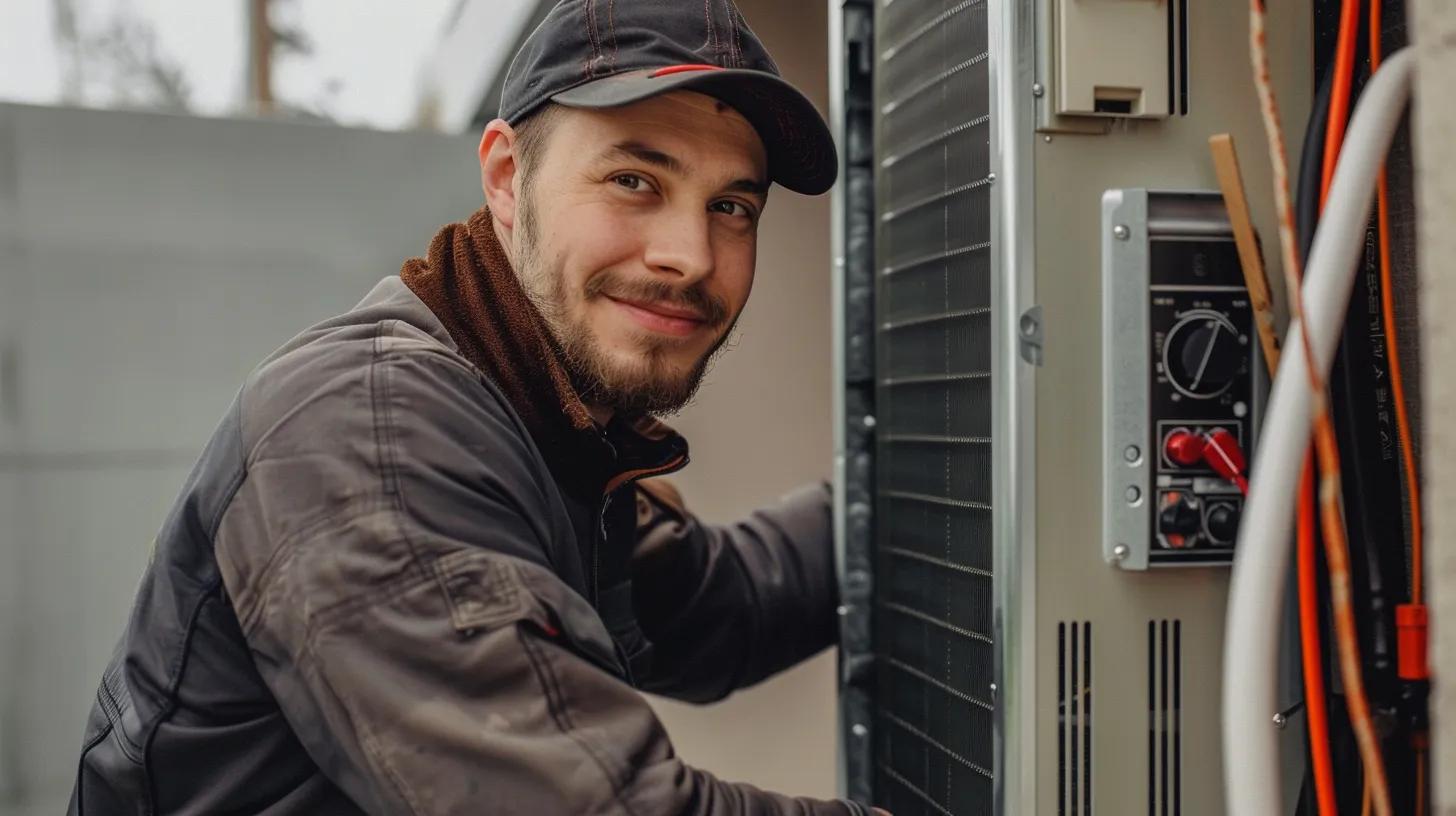
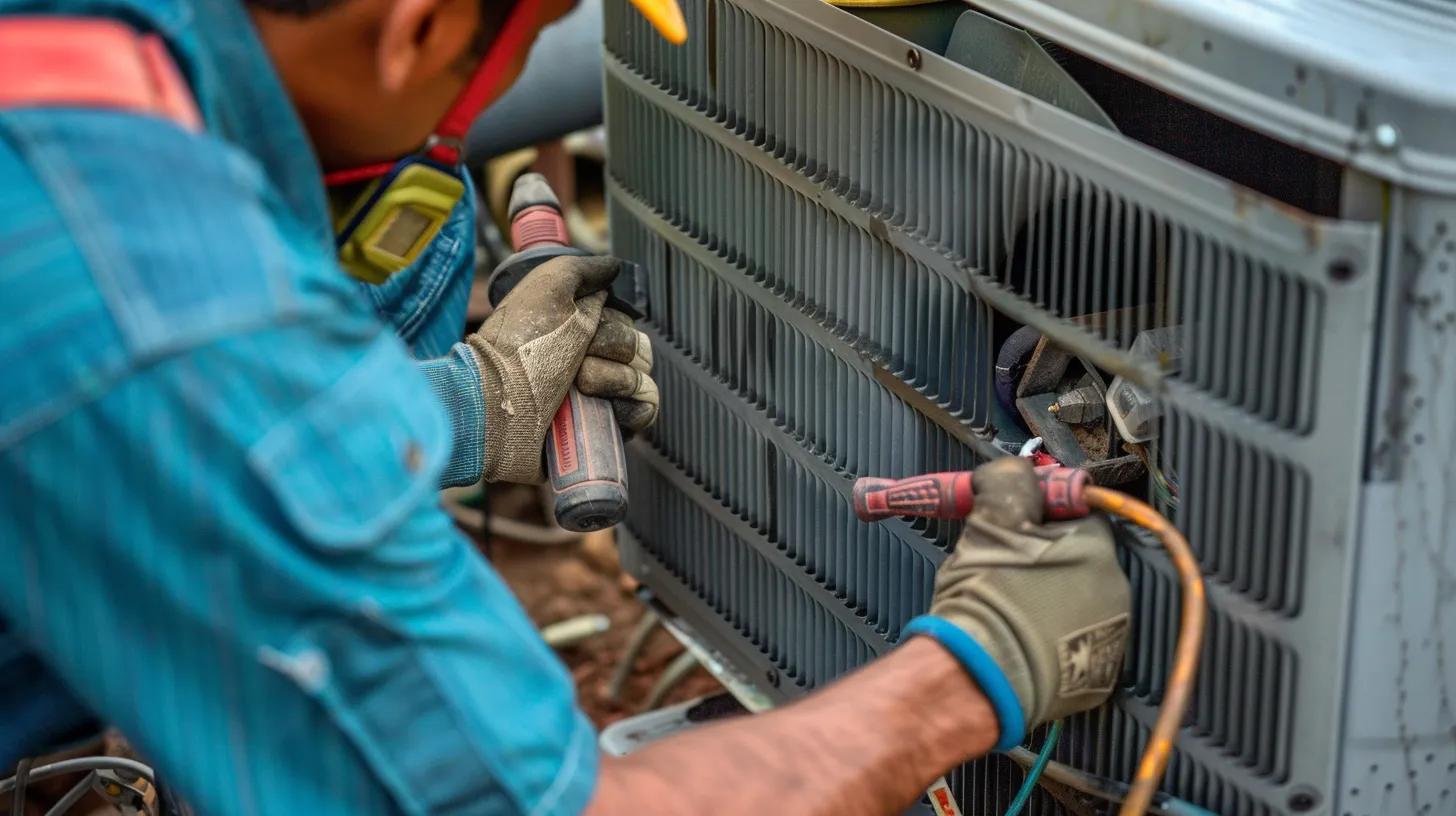
Technician checking refrigerant levels in an air conditioning unit outdoors

Proper refrigerant management is key to your AC’s cooling capability. Low refrigerant levels often cause diminished cooling output.

  • Identifying Refrigerant Issues: Common signs include warm air coming through vents, increased energy use from the compressor working harder, and longer cooling cycles.
  • Safety Protocols: Handling refrigerant requires protective gear and adherence to safety standards due to its hazardous nature. We always recommend leaving refrigerant handling to certified professionals to avoid risks.
  • Refilling Refrigerant or Calling Experts: While small top-ups might be tempting, a professional recharge ensures correct levels and leak-free operation. Reach out to us at Mega A/C Cooling & Heating for safe and reliable service here in Richmond, TX.

When Is It Necessary to Call a Professional for Refrigerant Issues?

  • Signs of Refrigerant Leaks: Unexplained drops in refrigerant levels typically signal leaks requiring expert detection and repair to prevent system damage.
  • Unusual Noises: Sounds such as hissing or bubbling from the unit may alert you to refrigerant issues or other problems needing professional attention.
  • High Energy Bills: Spiking energy costs can indicate inefficient operation due to refrigerant problems, emphasizing the need for service.

Why Does My AC Freeze Up and How Can I Fix It?

An AC freezing up is frustrating and stops proper cooling. We often help our Richmond, TX customers through this issue, which can be caused by several factors.

Common Causes of AC Freezing Up:

  • Restricted Airflow: Blocked ducts or dirty filters reduce airflow over coils, causing temperatures to drop excessively and ice to form.
  • Low Refrigerant Levels: Insufficient refrigerant causes the evaporator coil temperature to fall below freezing, creating ice buildup that stops cooling.
  • Incorrect Thermostat Settings: Setting the thermostat too low causes the AC to run continuously, which can encourage ice formation on components.

Symptoms of a Frozen AC:

  • Reduced Airflow from Vents: Ice formation blocks air passages, leading to weaker cool air output throughout your home.
  • Warm Air Blowing: Ice on coils impedes proper cooling and results in warm air being circulated.
  • Visible Ice Buildup: Physical ice can often be seen on indoor coils or the outdoor unit, signaling freezing issues.

Effective DIY Fixes:

  • Improving Airflow by Changing Filters: Swapping out dirty filters restores proper air circulation and prevents freezing. This is the simplest yet most effective step homeowners can take.
  • Ensuring Refrigerant Levels Are Adequate: Low refrigerant contributes directly to freezing. If suspected, contact us at Mega A/C Cooling & Heating for a professional check and refill/service.
  • Adjusting Thermostat Settings: Setting your thermostat to a moderate temperature avoids continuous operation that leads to ice buildup, helping the system work efficiently.

When Should I Seek Professional AC Repair Services in Richmond, TX?

After trying these troubleshooting techniques, if your AC still isn’t functioning properly, it’s time to rely on expert help. Noticeable signs that call for professional assistance include:

  • Poor Airflow Conditions: Persistent weak airflow following cleaning and filter changes indicates deeper issues requiring a specialist’s tools and knowledge.
  • Inconsistent Temperature Across Rooms: Hot and cold spots may reflect duct problems or system malfunctions demanding expert diagnosis.
  • Frequent Mechanical Failures: Recurring breakdowns or parts replacements suggest your AC needs a thorough inspection and tune-up by our certified technicians.

How to Choose Reliable Local AC Repair Providers?

When looking for trustworthy AC repair services in Richmond, TX, consider these points:

  • Evaluating Technician Qualifications: Confirm technicians hold valid certifications and have extensive experience with AC systems similar to yours, ensuring quality repairs.
  • Reading Customer Reviews: Browse reviews and testimonials to understand the provider’s reliability, professionalism, and service quality from customers’ perspectives.
  • Understanding Pricing Transparency: Choose companies that offer clear, upfront estimates and explain repair costs so you can make informed decisions without surprises.

Latest Trends and Regulations Impacting AC Repair and Refrigerant Use in 2026

Staying informed about industry updates helps maintain efficient, eco-friendly cooling systems. Meg A/C Cooling & Heating is proud to keep up with the latest developments that benefit clients in Richmond, TX.

  • Emerging Technologies in HVAC Systems: Advances such as variable speed compressors and eco-friendly heat exchangers are increasing efficiency and reducing energy consumption in modern systems.
  • Recent Regulations on Refrigerants: New environmental standards limit certain refrigerants, promoting the use of greener alternatives that comply with federal guidelines.
  • Market Trends Influencing AC Services: Growing demand for smart thermostats and IoT integration allows homeowners to optimize cooling remotely, enhancing comfort and saving energy.

Emerging Technologies in Thermostat and Cooling Systems

  • Smart Thermostats and Energy Savings: These devices provide remote control and programmable schedules that adjust cooling based on your lifestyle, helping to reduce wasted energy.
  • Integration of IoT in HVAC Systems: By connecting HVAC units to the internet, real-time monitoring and predictive maintenance become possible, leading to fewer breakdowns and lower service costs.
  • Advantages of Advanced Cooling Technologies: From improved refrigerant cycles to noise reduction features, new systems are designed to deliver quieter, more consistent cooling while trimming utility bills.

Get Expert AC Repair and Maintenance in Richmond, TX Today

At Mega A/C Cooling & Heating, we are committed to keeping residents of Richmond, TX comfortable year-round. Whether your AC is not cooling properly or you want to schedule routine maintenance, our team is ready to assist with professional service, reliable repairs, and expert advice. Don’t let a faulty air conditioner disrupt your comfort; contact us today to restore cool, refreshing air to your home.

Family enjoying a healthy indoor environment with an air purifier in a bright living room

Comprehensive Indoor Air Quality Solutions for Healthy Homes

Comprehensive Indoor Air Quality Solutions for Healthy Homes: Expert HVAC Air Quality Services and Energy-Efficient Air Purification

Indoor air quality directly affects health and comfort, yet many homeowners do not recognize indoor hazards. Poor air quality can cause respiratory irritation, allergic reactions, and general discomfort. In this article, we outline practical indoor air quality solutions, focusing on our professional HVAC services and energy-efficient purification options. You will find information on common IAQ issues, health impacts, and warning signs, plus an overview of purifier types, the role of efficient filters in HVAC performance, and the specific services Mega A/C Cooling and Heating offers in Richmond, TX.

Common indoor pollutants include particulate matter from dust and cooking, gaseous compounds from cleaning products and off-gassing materials, excess moisture that encourages biological growth, and pet or occupant-generated pollutants. Each source behaves differently and responds to different interventions. Understanding the likely sources in your home helps us direct cost-effective measures and avoid one-size-fits-all solutions.

Comprehensive Indoor Air Quality Solutions for Healthy Homes

Indoor air quality solutions combine equipment, maintenance, and ventilation strategies to reduce pollutants inside your home. Common sources include cleaning products, moisture that supports mold, and inadequate ventilation. Effective measures improve living conditions, lower allergy symptoms, support respiratory health, and increase overall comfort.

Well-implemented IAQ programs also define measurable outcomes: lower visible dust, fewer allergy episodes for sensitive occupants, and more stable humidity levels. Practical steps for you include prioritizing source control, selecting suitable filtration or purification technology for problem areas, and scheduling routine HVAC care to maintain performance over time.

Expert HVAC Air Quality Services

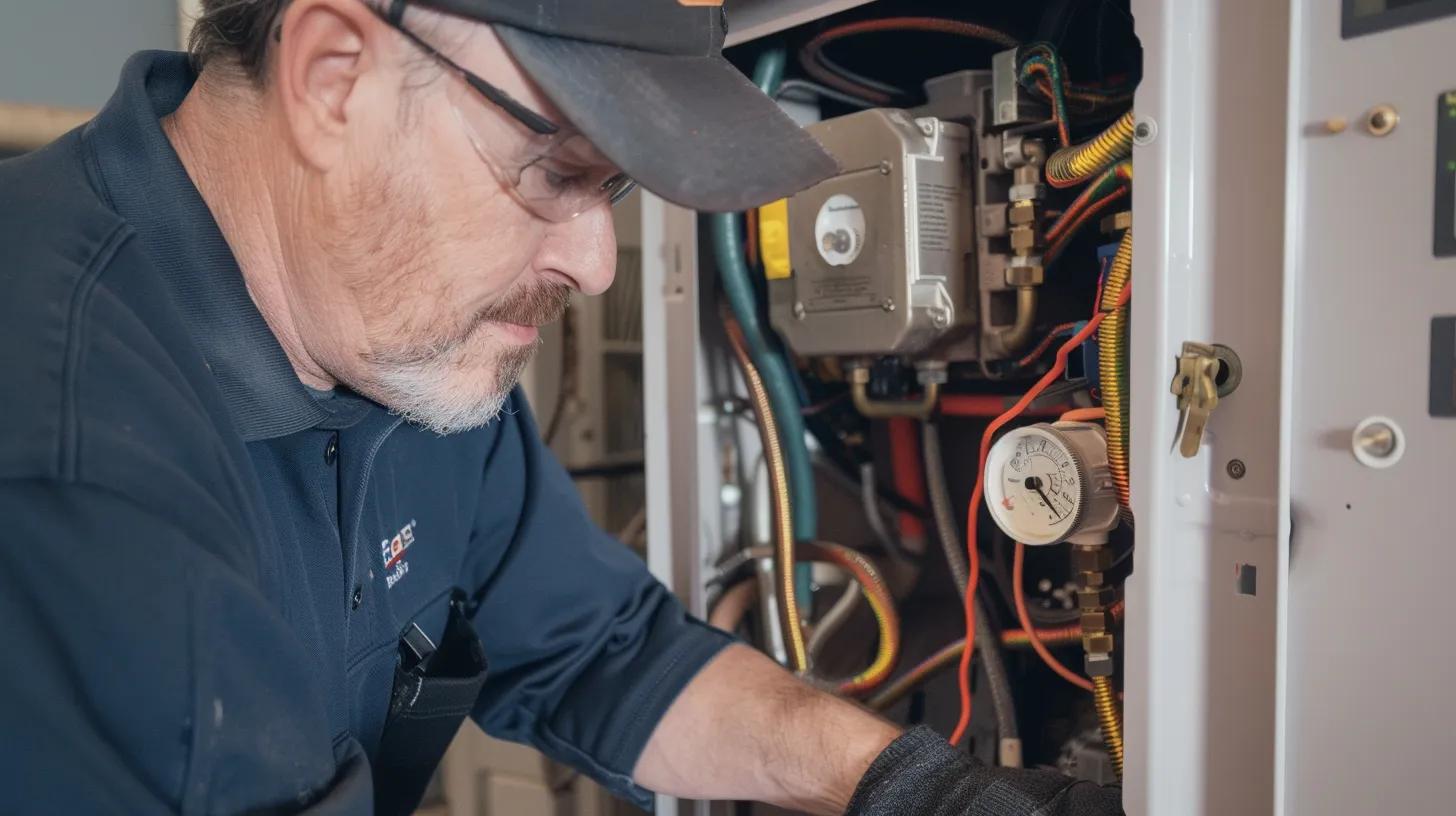
HVAC technician inspecting air conditioning unit for indoor air quality

Our professional HVAC air quality services support a healthy home through routine maintenance, system upgrades, and customized solutions. Essential tasks include filter replacement, system cleaning, and the installation of purification or ventilation equipment that integrates with your existing heating and cooling systems. Proper maintenance keeps components functioning and prevents contaminants from circulating.

We typically begin with inspection and basic IAQ testing: assessing filter condition, checking ductwork and seals, measuring humidity levels, and using particle or VOC meters when needed. Based on those findings, we recommend targeted upgrades such as higher-efficiency filtration, balanced ventilation, or localized purification in problem rooms. Clear documentation of findings and recommended actions helps you prioritize interventions and budget appropriately.

Energy-Efficient Air Purification Methods

Modern air purifier in a stylish home setting highlighting energy efficiency

Energy-efficient purification removes pollutants while minimizing additional energy use. Options include HEPA cleaners, UV purifiers, and whole-house dehumidifiers. Each system targets specific problems—HEPA captures particles, UV reduces biological contaminants, and dehumidifiers control moisture—while integration with the HVAC system helps distribute treated air throughout your home.

When selecting energy-efficient equipment, consider operating patterns and placement. Portable HEPA units can be run intermittently in living spaces to reduce load, whereas whole-house solutions treat all rooms via the central system with modest continuous energy use. UV lamps are most effective when installed at the coil or in the duct where biological growth concentrates. Dehumidification setpoints should balance comfort and condensation control to avoid wasting energy while preventing mold growth.

Specifically, the integration of advanced HVAC systems with high-efficiency particulate air (HEPA) filtration is recognized as a crucial strategy for mitigating airborne pathogens.

Common Indoor Air Quality Problems

The first step to improving IAQ is identifying common problems. Typical issues include dust and allergens, mold due to excess humidity, and volatile organic compounds (VOCs) released by household products.

  • Dust and Allergens: Accumulation of dust, pet dander, and pollen can trigger allergies and respiratory issues. We help you identify these sources and recommend effective filtration solutions to reduce exposure.
  • Mold Growth: High humidity levels can lead to mold growth, which poses serious health risks. Our dehumidification and ventilation strategies aim to control moisture and prevent mold development.
  • Volatile Organic Compounds (VOCs): Emitted from household products, VOCs can cause headaches and long-term health effects. We advise on source control and purification technologies to minimize VOC presence in your home.

Early identification lets you apply targeted measures—filtration, dehumidification, source control, or improved ventilation—to reduce exposure and improve air quality. Practical detection steps include simple humidity monitoring, routine visual checks in damp spaces, and watching for recurring odors or visible dust build-up. These inexpensive checks allow you to spot trends early and act before problems become costly.

Impact on Health and Comfort

Poor indoor air quality contributes to asthma, allergic reactions, and other respiratory conditions. It can also reduce comfort, increase fatigue, and lower productivity. Maintaining clean indoor air supports better health and enhances daily comfort for all household members.

Signs of Poor Indoor Air Quality

You should monitor for indicators of poor IAQ, such as frequent headaches, worsened allergy symptoms, or persistent unpleasant odors. These signs often point to pollutants, humidity problems, or inadequate ventilation.

  • Frequent Headaches: Persistent headaches can indicate exposure to indoor pollutants. If you experience these symptoms regularly, it may be time to assess your home’s air quality.
  • Allergy Symptoms: Increased sneezing, coughing, or itchy eyes may signal poor air quality. We can help identify the causes and recommend appropriate solutions.
  • Unpleasant Odors: Musty or chemical smells can indicate the presence of mold or VOCs. Addressing these odors promptly helps maintain a healthier indoor environment.

Addressing these signs promptly reduces health risks and restores a safer indoor environment. In some cases, addressing a single source dramatically improves outcomes: fixing a roof leak or replacing an off-gassing product often reduces symptoms quickly. For persistent or unclear issues, professional testing and a diagnostic approach prevent wasted expense on ineffective remedies.

Types of Air Purifiers for Residential Use

Homeowners can choose from several residential air purifier types to match their needs. The main options are HEPA air cleaners, UV air purifiers, and portable standalone units.

  • HEPA Air Cleaners: These filters capture 99.97% of particles as small as 0.3 microns, making them highly effective for allergens. We recommend HEPA units for those with allergy or asthma concerns to significantly improve air quality.
  • UV Air Purifiers: Utilizing ultraviolet light, these purifiers kill bacteria and viruses, improving overall air quality. Our UV systems are designed to integrate seamlessly with your HVAC setup for continuous protection.
  • Standalone Units: Portable air purifiers can be moved from room to room, providing flexibility in air quality management. These units are ideal for targeted use in bedrooms or living areas where you spend the most time.

Each option has clear advantages; selection should be based on the specific contaminants, room size, and whether whole-house integration is required. When comparing units, consider clean air delivery rate (CADR) or manufacturer guidance for room size. Place portable units where occupants spend the most time and avoid obstructing airflow. For whole-house approaches, confirm the purifier is compatible with the HVAC fan capacity so airflow remains balanced.

How Energy-Efficient Air Filters Enhance HVAC Performance

Energy-efficient air filters are engineered to capture more particulates while preserving proper airflow. By maintaining optimal airflow, these filters help your HVAC system run efficiently and reduce energy use.

  • Improved Indoor Air Quality: Enhanced filtration reduces allergens and pollutants in the air. We help you select filters that effectively capture contaminants without compromising airflow.
  • Enhanced System Efficiency: Clean filters allow HVAC systems to operate more efficiently, reducing energy costs. Our maintenance services ensure filters are replaced regularly to maintain peak performance.
  • Longer Equipment Lifespan: Regularly changing filters can extend the life of HVAC equipment by preventing strain on the system. We provide guidance on filter schedules tailored to your home’s needs.

Choosing the right filter means balancing filtration efficiency with airflow. Filters are rated by how finely they remove particles relative to airflow resistance. In many homes, selecting a high-efficiency filter that the existing fan can support provides better IAQ without increasing energy use. When upgrades require higher pressure drops, consider fan or system adjustments performed by our trained technicians to preserve efficiency.

What HVAC Air Quality Solutions Does Mega A/C Cooling and Heating Offer in Richmond, TX?

At Mega A/C Cooling and Heating, we deliver tailored HVAC air quality solutions for Richmond, TX homes. Our services include the supply and installation of purification systems, ventilation upgrades, and high-efficiency filtration options designed to address common indoor pollutants.

  • Air Purifiers: We install advanced air purification systems to enhance your indoor air quality. Our team ensures the equipment is properly sized and integrated for optimal performance.
  • Ventilation Systems: Our solutions improve air circulation and reduce indoor pollutants. We design ventilation upgrades that balance fresh air intake with energy efficiency.
  • Filtration Systems: We offer high-efficiency filters designed to capture a wide range of airborne particles. Our experts help you select filters that fit your HVAC system and air quality goals.

Choosing Mega A/C Cooling and Heating ensures you receive professional recommendations and installations that prioritize health, efficiency, and lasting performance. After installation or maintenance, we provide guidance on expected outcomes, recommended follow-up schedules, and simple homeowner checks to confirm systems continue to perform as intended.

How Does Professional HVAC Maintenance Support Indoor Air Quality?

Professional HVAC maintenance sustains air quality by keeping system components clean and operating correctly. Regular service helps prevent pollutant build-up and maintains effective filtration and ventilation.

  • Filter Changes: We ensure filters are clean and effective in trapping pollutants. Regular replacement is essential to maintain air quality and system efficiency.
  • Duct Cleaning: Our duct cleaning services remove dust and debris from ductwork to prevent recirculation of contaminants. Clean ducts contribute to healthier indoor air and better HVAC performance.
  • System Inspections: We identify potential issues that could compromise air quality. Our thorough inspections help catch problems early and recommend timely solutions.

Regular maintenance reduces contaminant circulation, improves system efficiency, and extends equipment life. A typical maintenance visit includes visual inspection of coils and drip pans, verification of condensate drainage to prevent moisture issues, basic cleaning of accessible components, and confirmation that ventilation controls are functioning. Our technicians document findings and make prioritized recommendations to address any IAQ risks found during the visit.

What Are the Benefits of Integrated Home Ventilation Systems?

Integrated ventilation systems deliver controlled fresh air while removing stale, polluted air. They balance indoor air exchange without excessive energy use.

  • Consistent Airflow: These systems provide a steady supply of fresh air, reducing indoor pollutants. We design ventilation solutions that maintain comfortable and healthy indoor environments.
  • Energy Efficiency: Modern ventilation systems are designed to minimize energy consumption while maximizing air quality. Our installations focus on achieving this balance for your home.
  • Health Benefits: Improved ventilation can reduce the risk of respiratory issues and enhance overall well-being. We help you select systems that support your family’s health.

Understanding these benefits helps you decide when whole-house ventilation is the right investment for sustained IAQ improvement.

How Can Energy Efficient Air Filters and Smart IAQ Technologies Reduce Energy Costs?

Energy-efficient filters and smart IAQ technology reduce operating costs by improving system performance and enabling targeted operation based on real-time conditions.

  • Monitor Air Quality: Smart IAQ monitors provide real-time data on indoor air quality, allowing for timely adjustments. We can install and integrate these monitors to optimize your HVAC system’s response.
  • Optimize Filter Usage: Energy-efficient filters reduce the load on HVAC systems, leading to lower energy consumption. Our team advises on filter selection and maintenance to maximize savings.
  • Enhance System Performance: By maintaining optimal airflow, these technologies ensure HVAC systems operate efficiently. We help you implement smart controls that adapt to your home’s needs.

Combined, these solutions improve indoor air while lowering energy use and operating costs.

What Are the Energy Savings from Advanced Air Filtration Systems?

Advanced filtration can reduce energy consumption by maintaining efficient airflow and lowering the HVAC workload, which often translates into measurable energy savings.

  • Reduce Energy Consumption: Improved airflow reduces the workload on HVAC systems, leading to lower energy bills. We help you select filtration systems that balance performance and efficiency.
  • Extend Equipment Lifespan: Less strain on HVAC systems results in fewer repairs and longer equipment life. Our maintenance programs support this longevity.
  • Enhance Comfort: Consistent air quality and temperature control contribute to a more comfortable living environment. We tailor solutions to your home’s specific needs.

For homeowners, investing in advanced filtration offers both improved IAQ and potential long-term cost reductions.

How Do Smart Air Quality Monitors Optimize HVAC Operation?

Smart air quality monitors supply real-time IAQ data that guides HVAC adjustments and maintenance decisions. They enable systems to react to actual conditions rather than fixed schedules.

  • Detect Pollutants: Monitoring systems can identify specific pollutants and trigger HVAC adjustments to improve air quality. We install and configure these systems to enhance your home’s environment.
  • Provide Insights: Data collected by smart monitors can inform you about your air quality trends and necessary actions. We offer support to interpret this data and plan improvements.
  • Enhance System Efficiency: By optimizing HVAC operation based on real-time data, these monitors help reduce energy consumption. Our integration services ensure seamless communication between devices.

Integrating these monitors with HVAC control improves indoor air management and supports energy-efficient operation.

Why Choose Mega A/C Cooling and Heating for Indoor Air Quality Services?

At Mega A/C Cooling and Heating, we combine certified technicians, a broad service offering, and a customer-first approach to deliver reliable IAQ solutions tailored to your home.

  • Expertise and Trust: Our team of certified professionals is dedicated to providing high-quality service and solutions. We prioritize your health and comfort in every project.
  • Comprehensive Service Offerings: We offer a wide range of services tailored to meet the unique needs of your home. From installation to maintenance, we cover all aspects of indoor air quality.
  • Customer Satisfaction: Our commitment to customer satisfaction ensures that we address all concerns and provide effective solutions. We work closely with you to achieve lasting results.

When you select Mega A/C Cooling and Heating, you can expect professional guidance, quality installations, and follow-up support to ensure lasting results.

What Expertise and Trustworthiness Do Our Technicians Provide?

Our technicians hold industry certifications and receive ongoing training in current HVAC practices. They apply experienced diagnostic and installation methods to address IAQ challenges accurately.

  • Certified Professionals: All technicians are certified and trained in the latest HVAC technologies and practices. This ensures your system is handled by knowledgeable experts.
  • Experienced in HVAC: With years of experience, our team understands the complexities of indoor air quality solutions. We bring this expertise to every service call.
  • Committed to Quality Service: We prioritize customer satisfaction and strive to exceed expectations with every service call. Our goal is to build trust through reliable and effective work.

This combination of certification, experience, and quality focus ensures reliable service and consistent results for you.

How Does Our Convenient Service Scheduling Enhance Customer Experience?

Convenient scheduling reduces friction and speeds service delivery. We provide multiple booking options and aim for prompt responses to your requests.

  • User-Friendly Scheduling: Our online scheduling system makes it easy for you to book appointments at your convenience. We understand your time is valuable and strive to accommodate your needs.
  • Prompt Service: We prioritize timely responses to service requests, ensuring that you receive the help you need quickly. Our team works efficiently to minimize disruption.
  • Flexible Options: Our scheduling options accommodate various customer needs, making it easier to fit HVAC services into your busy lifestyle. We offer evening and weekend appointments when possible.

Flexible scheduling and timely service reflect our commitment to your convenience and professional care.

How to Schedule Professional Indoor Air Quality Services in Richmond, TX?

Scheduling services with Mega A/C Cooling and Heating is simple: contact us through our website or customer service channels, describe your concerns, and select a convenient appointment time for an on-site assessment.

  • Contact Us: Reach out via our online contact form or customer support to initiate service. We respond promptly to your inquiries.
  • Discuss Needs: Our team will discuss your specific air quality concerns and recommend appropriate services tailored to your home.
  • Book an Appointment: Choose a convenient time for our technicians to visit and assess your indoor air quality needs. We work around your schedule to provide timely service.

This straightforward process ensures timely access to professional IAQ assessment and solutions.

What Is the Process to Request an Estimate for Air Quality Solutions?

Requesting an estimate involves initial contact, sharing details about your home and concerns, and receiving a follow-up with a tailored written estimate and recommended actions.

  • Contact Methods: Reach out via our website or customer service to initiate the request. We make the process easy and transparent.
  • Details Needed: Provide information about your home and specific air quality concerns. The more details you share, the better we can tailor our recommendations.
  • Follow-Up Process: Our team will follow up with a detailed estimate and recommendations for improving your indoor air quality. We explain options clearly so you can make informed decisions.

We provide clear, itemized estimates so you can evaluate options and make informed decisions. Estimates typically outline recommended equipment, expected scope of work, and an overview of any required follow-up visits. When relevant, our technicians include optional upgrades and explain the relative benefits so you can choose an approach that fits both your budget and IAQ goals.

How Often Should You Schedule HVAC Air Quality Maintenance?

Routine HVAC maintenance preserves system performance and air quality. A regular schedule reduces breakdown risk and maintains filtration effectiveness.

  • Schedule Bi-Annual Maintenance: Regular maintenance every six months helps keep your systems running efficiently. We recommend this schedule to prevent issues before they arise.
  • Consider Factors Influencing Frequency: Homes with pets, smokers, or high humidity may require more frequent maintenance. We assess your home’s specific conditions to recommend the best plan.
  • Enjoy the Benefits of Regular Maintenance: Consistent upkeep leads to improved air quality, energy efficiency, and system longevity. Our maintenance programs are designed to maximize these benefits for you.

Following recommended maintenance intervals helps ensure reliable operation, better indoor air, and longer system life.

Improve Your Home’s Air Quality Today with Mega A/C Cooling and Heating

Protect your family’s health and enhance your home’s comfort by partnering with Mega A/C Cooling and Heating. Our expert team is ready to provide personalized indoor air quality solutions tailored to your needs in Richmond, TX. Don’t wait to breathe cleaner, healthier air—reach out now to schedule your assessment and take the first step toward a safer home environment.

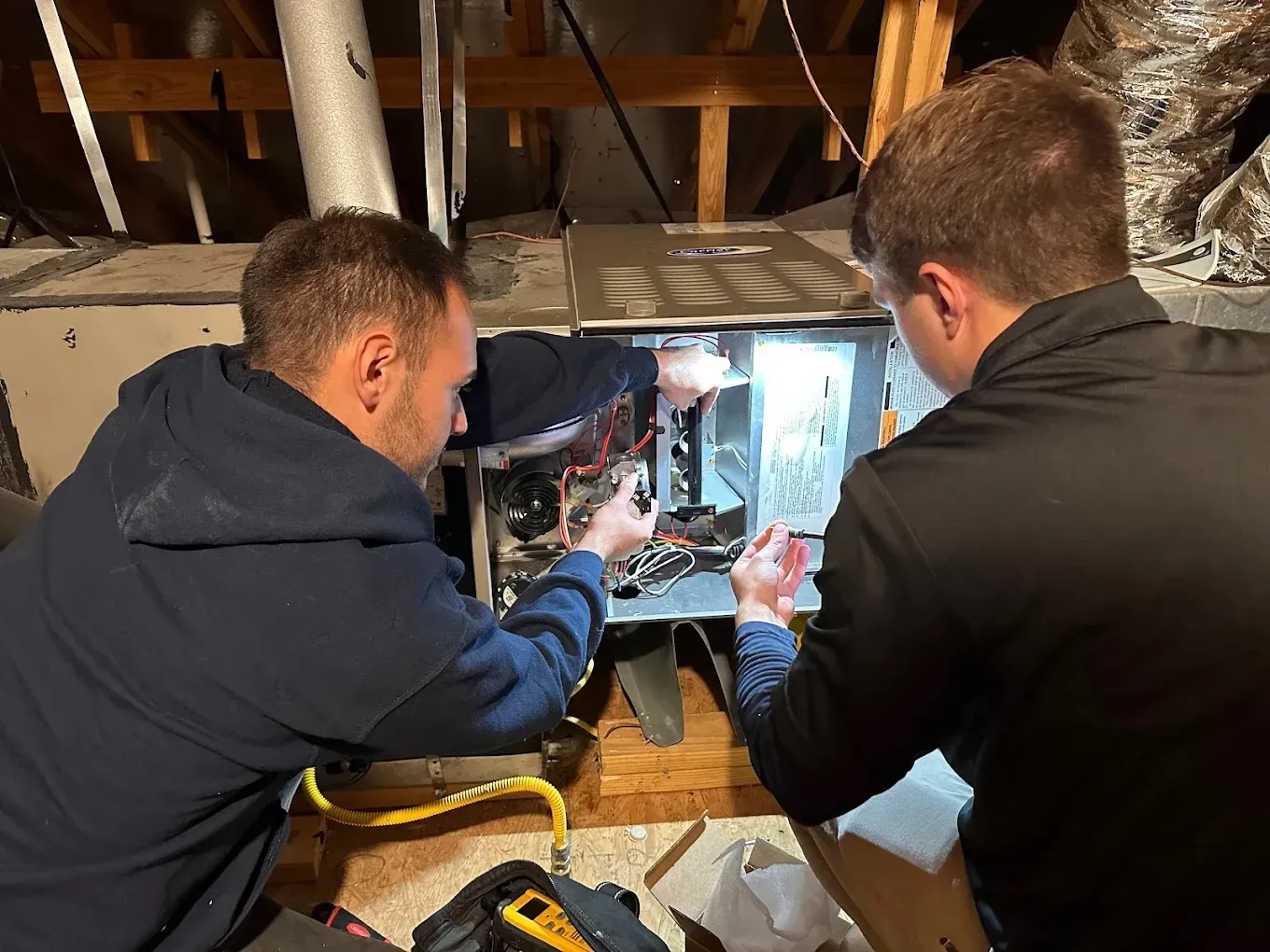
Two technicians repairing an HVAC unit in an attic space.

Spring HVAC Checklist: Get Ready for Warmth

Spring HVAC Checklist: Essential Maintenance Tips to Prepare Your AC System for Warmth

As the temperatures rise and spring approaches, ensuring your HVAC system is ready for the warmer months is crucial. At Mega A/C Cooling and Heating, we understand that a well-maintained air conditioning system not only enhances comfort but also improves energy efficiency, leading to significant cost savings over time. This article serves as a comprehensive guide from our team to help you prepare your HVAC system for spring, covering essential maintenance tips, the importance of preventive care, and the benefits of scheduling professional services with us. By following this checklist, you can avoid common pitfalls and ensure your AC operates at peak performance throughout the season.

In this guide, we will explore the importance of seasonal preparation, how preventive maintenance can reduce energy costs, the risks of neglecting tune-ups, and the steps to perform a thorough inspection and cleaning of your AC system. Additionally, we will discuss the components that our technicians check during spring service, the benefits of coil cleaning, and best practices for air filter replacement. Finally, we will highlight the advantages of smart thermostats and energy efficiency tips to enhance your HVAC performance.

Why Is Spring HVAC Seasonal Preparation Crucial for Energy Efficiency?

Seasonal preparation for HVAC systems is essential for maintaining energy efficiency and ensuring optimal performance. Regular maintenance helps identify potential issues before they escalate, allowing for timely repairs and adjustments. This proactive approach not only enhances the comfort of your home but also leads to significant cost savings on energy bills. By preparing your HVAC system for the warmer months, you can enjoy a more comfortable living environment while reducing your carbon footprint.

For residents in Richmond, TX, scheduling a spring HVAC tune-up with a local expert like Mega A/C Cooling and Heating provides peace of mind. Our experienced technicians ensure your system is running efficiently, helping you avoid unexpected breakdowns during the hottest days of summer.

How Does Preventive Maintenance Reduce Energy Costs?

Family enjoying comfort in a well-maintained home with HVAC system

Preventive maintenance plays a vital role in reducing energy costs associated with HVAC systems. Regular inspections and tune-ups help ensure that your air conditioning unit operates efficiently, preventing it from overworking and consuming excess energy. By identifying and addressing minor issues early, you can avoid costly repairs and extend the lifespan of your HVAC system.

Scheduling routine maintenance with our professionals at Mega A/C Cooling and Heating leads to long-term savings. Our services include thorough inspections and necessary adjustments, ensuring your system runs smoothly and efficiently throughout the spring and summer months.

What Are the Risks of Neglecting Spring HVAC Tune-Ups?

Neglecting spring HVAC tune-ups can lead to several risks that may compromise the efficiency and longevity of your system. Some of the potential consequences include:

  • Increased Risk of System Failures: Without regular maintenance, small issues can develop into major problems, leading to costly repairs or complete system failure.
  • Higher Energy Costs: An unmaintained system may work harder to cool your home, resulting in higher energy bills.
  • Poor Indoor Air Quality: Neglected systems can accumulate dust and allergens, negatively impacting the air quality in your home.

By prioritizing spring HVAC tune-ups with Mega A/C Cooling and Heating, you can mitigate these risks and ensure your system operates efficiently.

How to Perform a Comprehensive AC System Inspection and Cleaning?

Performing a comprehensive AC system inspection and cleaning involves several key steps to ensure optimal performance. Here’s a checklist from our experts to guide you through the process:

  • Inspect the Air Filter: Check the air filter for dirt and debris. A clean filter improves airflow and indoor air quality.
  • Clean the Coils: Remove dirt and debris from the evaporator and condenser coils to enhance heat exchange efficiency.
  • Check Refrigerant Levels: Ensure that refrigerant levels are adequate and look for any signs of leaks.
  • Inspect Electrical Components: Check all electrical connections and components for wear and tear.
  • Test the Thermostat: Ensure the thermostat is functioning correctly and calibrated for accurate temperature control.

By following these steps, you can help maintain your AC system’s efficiency and prolong its lifespan.

What Components Should Technicians Check During Spring HVAC Service?

During a spring HVAC service, our technicians focus on several critical components to ensure the system operates efficiently. Key areas of inspection include:

  • Air Filters: We check and replace air filters as needed to maintain optimal airflow and indoor air quality.
  • Refrigerant Levels: Proper refrigerant levels are essential for efficient cooling. We check for leaks and recharge the system if necessary.
  • Electrical Connections: Inspecting electrical connections ensures that all components are functioning correctly and safely.

By addressing these components, our technicians help prevent future issues and enhance the overall performance of your HVAC system.

How Does Coil Cleaning Improve Cooling Performance?

Coil cleaning is a crucial aspect of HVAC maintenance that significantly improves cooling performance. Dirty coils can hinder the heat exchange process, leading to reduced efficiency and increased energy consumption. By regularly cleaning the coils, you can experience several benefits:

  • Enhanced Heat Exchange Efficiency: Clean coils allow for better heat transfer, improving the overall cooling performance of the system.
  • Lower Energy Consumption: An efficient system consumes less energy, resulting in lower utility bills.
  • Prolonged System Lifespan: Regular cleaning helps prevent wear and tear on the system, extending its operational life.

Incorporating coil cleaning into your spring maintenance routine with Mega A/C Cooling and Heating can lead to a more efficient and reliable HVAC system.

What Are the Best Practices for Air Filter Replacement and Improving Indoor Air Quality?

Maintaining clean air filters is essential for improving indoor air quality and ensuring efficient HVAC operation. Here are some best practices for air filter replacement:

  • Regular Replacement: Change air filters every 1-3 months, depending on usage and filter type. High-efficiency filters may require less frequent changes.
  • Choose the Right Filter: Select filters with a MERV rating suitable for your home’s needs. Higher ratings capture more particles but may restrict airflow if not matched correctly.
  • Monitor Air Quality: Keep an eye on indoor air quality and adjust filter replacement frequency based on environmental factors, such as pets or allergies.

By following these practices, you can significantly improve your indoor air quality and HVAC efficiency.

How Often Should AC Filters Be Replaced in Spring?

In spring, it is recommended to replace AC filters every month, especially during peak usage periods. Regular replacement ensures that the system operates efficiently and maintains good indoor air quality. Consider the type of filter used, as some high-efficiency filters may last longer than standard ones.

By adhering to a consistent filter replacement schedule, you can help your HVAC system run smoothly and effectively throughout the warmer months.

What Are the Benefits of Clean Air Filters for HVAC Efficiency?

Clean air filters provide numerous benefits that enhance HVAC efficiency and indoor air quality. Key advantages include:

  • Improved Indoor Air Quality: Clean filters trap dust, allergens, and pollutants, resulting in healthier air for occupants.
  • Enhanced System Efficiency: A clean filter allows for better airflow, reducing the strain on the HVAC system and lowering energy consumption.
  • Extended Equipment Lifespan: Regularly changing filters helps prevent damage to the system, prolonging its operational life.

By prioritizing air filter maintenance with Mega A/C Cooling and Heating, you can enjoy a more efficient and healthier living environment.

How to Check Refrigerant Levels and Detect Leaks in Your Air Conditioner?

Checking refrigerant levels and detecting leaks is a critical aspect of HVAC maintenance. Here’s how to perform this task:

  • Use a Pressure Gauge: Attach a pressure gauge to the service port to measure refrigerant levels. Compare the readings to manufacturer specifications.
  • Look for Signs of Leaks: Inspect the refrigerant lines for oil spots or frost, which may indicate a leak.
  • Seek Professional Help: If you suspect a leak or find low refrigerant levels, contact our professional technicians at Mega A/C Cooling and Heating for assistance.

Regular checks can help maintain optimal refrigerant levels, ensuring efficient cooling performance.

Why Is Proper Refrigerant Charge Important for AC Function?

Proper refrigerant charge is essential for the efficient operation of an air conditioning system. An incorrect charge can lead to several issues, including:

  • Reduced Cooling Performance: Low refrigerant levels can hinder the system’s ability to cool effectively, leading to discomfort.
  • Increased Energy Consumption: An overcharged or undercharged system may work harder, resulting in higher energy bills.
  • Risk of Compressor Damage: Operating with improper refrigerant levels can cause significant damage to the compressor, leading to costly repairs.

Ensuring the correct refrigerant charge is vital for maintaining the efficiency and longevity of your HVAC system.

What Are Common Signs of Refrigerant Leaks?

Identifying refrigerant leaks early can prevent significant damage to your HVAC system. Common signs of refrigerant leaks include:

  • Poor Cooling Performance: If your AC is not cooling effectively, it may indicate low refrigerant levels due to a leak.
  • Ice Buildup: Frost or ice on the refrigerant lines or evaporator coil can signal a refrigerant leak.
  • Unusual Noises: Hissing or bubbling sounds may indicate refrigerant escaping from the system.

If you notice any of these signs, it is essential to contact our professional technicians at Mega A/C Cooling and Heating for further inspection and repair.

How to Calibrate Your Thermostat and Utilize Smart Controls for Optimal Comfort?

Calibrating your thermostat is crucial for maintaining optimal comfort and energy efficiency. Here’s how to do it:

  • Check the Calibration: Use a separate thermometer to compare the temperature reading with the thermostat setting. Adjust as necessary.
  • Utilize Smart Controls: Consider upgrading to a smart thermostat that learns your schedule and adjusts temperatures accordingly, optimizing energy use.
  • Regular Maintenance: Schedule regular maintenance with Mega A/C Cooling and Heating to ensure the thermostat and HVAC system are functioning correctly.

By calibrating your thermostat and utilizing smart controls, you can enhance comfort while reducing energy costs.

What Are the Advantages of Smart Thermostats in Spring HVAC Preparation?

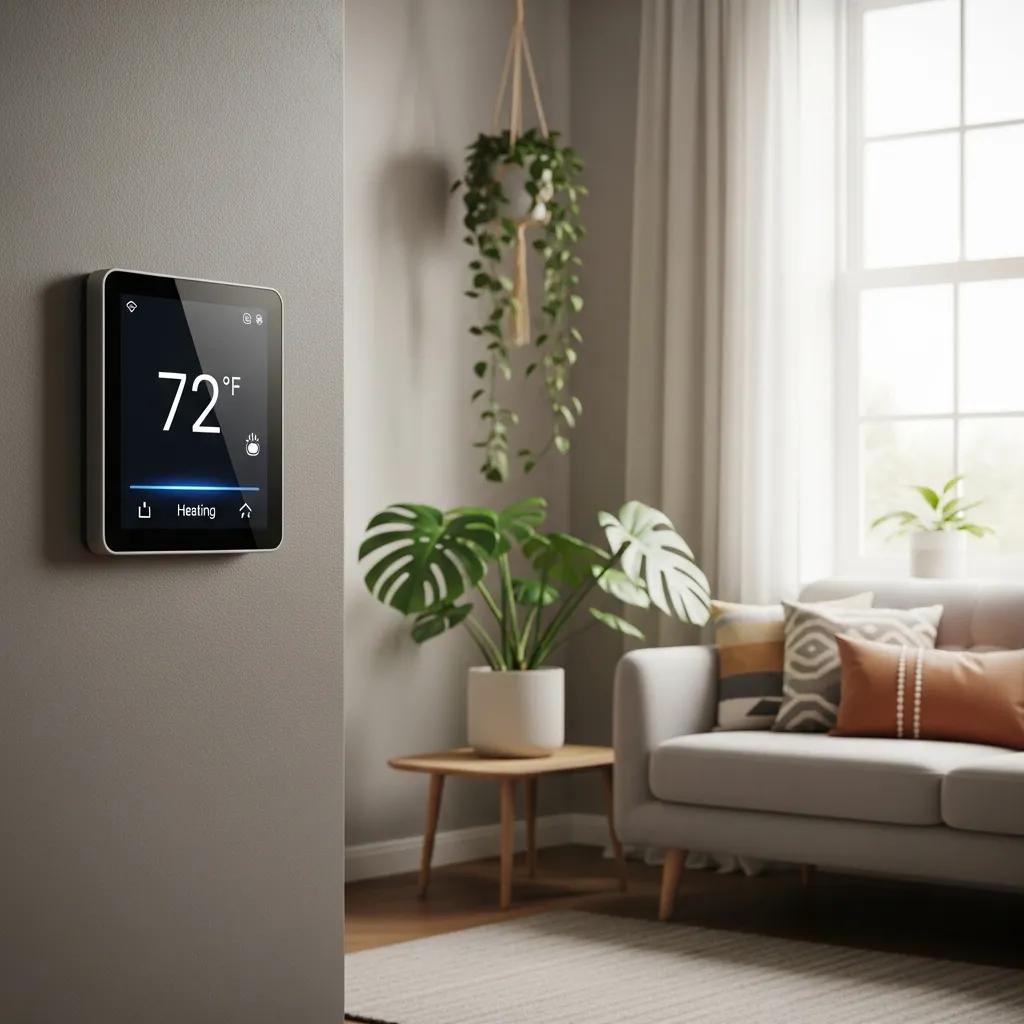
Modern smart thermostat in a stylish home environment

Smart thermostats offer several advantages that enhance HVAC preparation for spring:

  • Energy Efficiency Improvements: Smart thermostats optimize heating and cooling schedules, reducing energy consumption.
  • Learning Capabilities: These devices learn your habits and adjust settings automatically for maximum comfort and efficiency.
  • Remote Access and Control: Smart thermostats allow you to control your HVAC system remotely, providing convenience and flexibility.

Incorporating a smart thermostat into your HVAC system with guidance from Mega A/C Cooling and Heating can lead to significant energy savings and improved comfort.

How Does Thermostat Calibration Affect Energy Savings?

Thermostat calibration directly impacts energy savings by ensuring accurate temperature readings and efficient system operation. A properly calibrated thermostat can:

  • Prevent Overcooling or Overheating: Accurate readings help maintain the desired temperature without unnecessary energy use.
  • Enhance System Efficiency: A well-calibrated thermostat allows the HVAC system to operate optimally, reducing energy consumption.
  • Extend Equipment Lifespan: By preventing excessive cycling, calibration helps prolong the life of your HVAC system.

Regular calibration is essential for maximizing energy savings and maintaining comfort in your home.

What Energy Efficiency Tips Can Enhance Your Spring HVAC Performance?

Enhancing your HVAC performance for energy efficiency involves several practical tips:

  • Regular Maintenance: Schedule routine inspections and tune-ups with Mega A/C Cooling and Heating to keep your system running efficiently.
  • Upgrade to Energy-Efficient Units: Consider upgrading to energy-efficient AC units that consume less energy and provide better cooling.
  • Utilize Smart Controls: Implement smart thermostats to optimize energy use based on your schedule and preferences.

By following these tips, you can significantly improve your HVAC performance and reduce energy costs.

How Can Upgrading to Energy Efficient AC Units Benefit You?

Upgrading to energy-efficient AC units offers numerous benefits, including:

  • Energy Savings: Newer models consume less energy, leading to lower utility bills over time.
  • Improved Comfort Levels: Energy-efficient units provide better cooling performance and humidity control.
  • Environmental Benefits: Reducing energy consumption contributes to a smaller carbon footprint and less environmental impact.

Investing in energy-efficient AC units with Mega A/C Cooling and Heating can lead to long-term savings and a more comfortable living environment.

What Local Rebates and Standards Should Richmond, TX Residents Know?

Residents of Richmond, TX should be aware of local rebates and energy efficiency standards that can benefit HVAC upgrades. Key points include:

  • Current Energy Efficiency Standards: Familiarize yourself with local regulations regarding HVAC efficiency to ensure compliance.
  • Available Local Rebates: Check for any available rebates or incentives for upgrading to energy-efficient systems, which can offset initial costs.
  • Impact on HVAC Upgrades: Understanding these factors can help you make informed decisions about your HVAC system.

By staying informed about local standards and rebates, you can maximize your investment in energy-efficient HVAC solutions with our guidance.

When and Why Should You Schedule Professional HVAC Services in Spring?

Scheduling professional HVAC services in spring is essential for optimal system performance. Key reasons include:

  • Optimal Timing for Maintenance: Spring is the ideal time to prepare your system for the upcoming heat, ensuring it operates efficiently.
  • Benefits of Professional Service: Our experienced technicians at Mega A/C Cooling and Heating can identify and address potential issues, providing peace of mind.
  • Risks of Neglecting Maintenance: Delaying maintenance can lead to unexpected breakdowns and costly repairs during peak usage.

By prioritizing professional HVAC services with Mega A/C Cooling and Heating, you can ensure your system is ready for the warmer months.

What Services Does Mega A/C Cooling and Heating Provide for Spring Maintenance?

We offer a range of services to ensure your HVAC system is ready for spring. Key services include:

  • Routine Maintenance Checks: Comprehensive inspections to identify and address potential issues.
  • AC Tune-Up Services: Thorough cleaning and adjustments to enhance system efficiency.
  • Emergency Repair Options: Prompt response to unexpected HVAC issues, ensuring your comfort is maintained.

By utilizing these services, you can ensure your HVAC system operates efficiently throughout the spring and summer.

How Does Local Expertise Improve HVAC Service Outcomes?

Local expertise plays a significant role in improving HVAC service outcomes. Benefits include:

  • Tailored Solutions for Local Conditions: Our technicians understand the specific climate and environmental factors affecting HVAC performance in Richmond, TX.
  • Faster Service Due to Local Knowledge: Familiarity with the area allows for quicker response times and more effective solutions.
  • Building Trust with the Community: As a local business, we prioritize customer satisfaction, leading to better service experiences.

By choosing Mega A/C Cooling and Heating, you benefit from specialized knowledge and a commitment to quality service.

Get Your HVAC Ready for Spring with Mega A/C Cooling and Heating

Don’t wait for the heat to catch you off guard. Contact Mega A/C Cooling and Heating today to schedule your spring HVAC maintenance and ensure your system is running at peak efficiency. Our expert technicians are ready to provide you with reliable service tailored to your needs in Richmond, TX. Schedule Your Service Now.

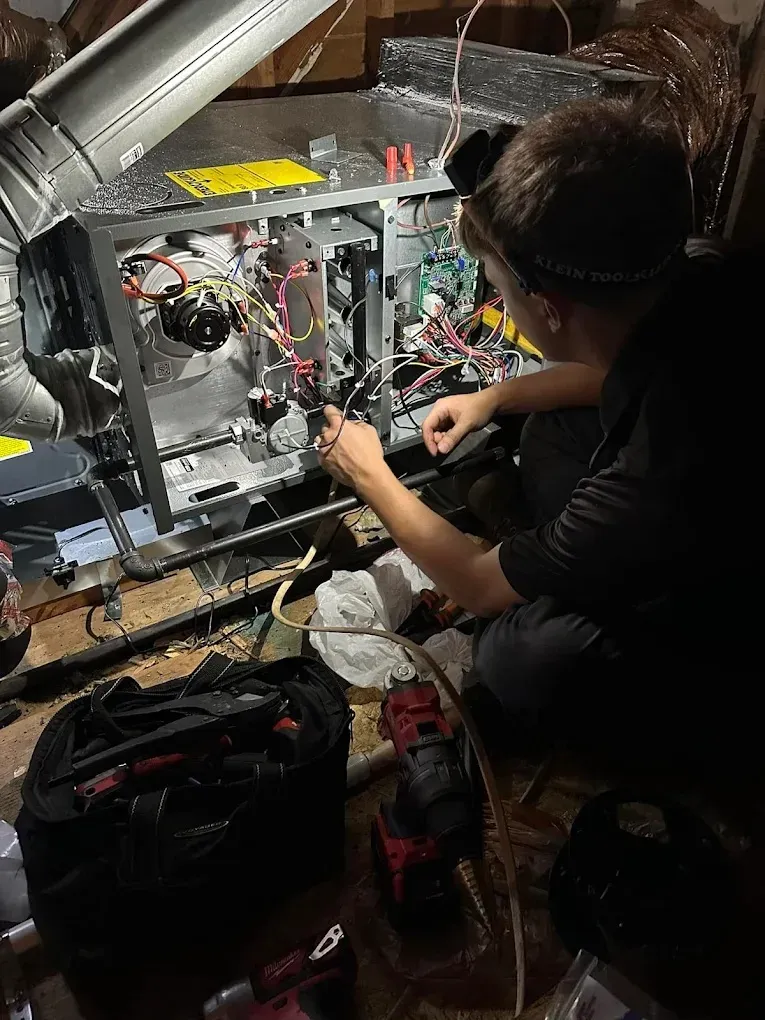
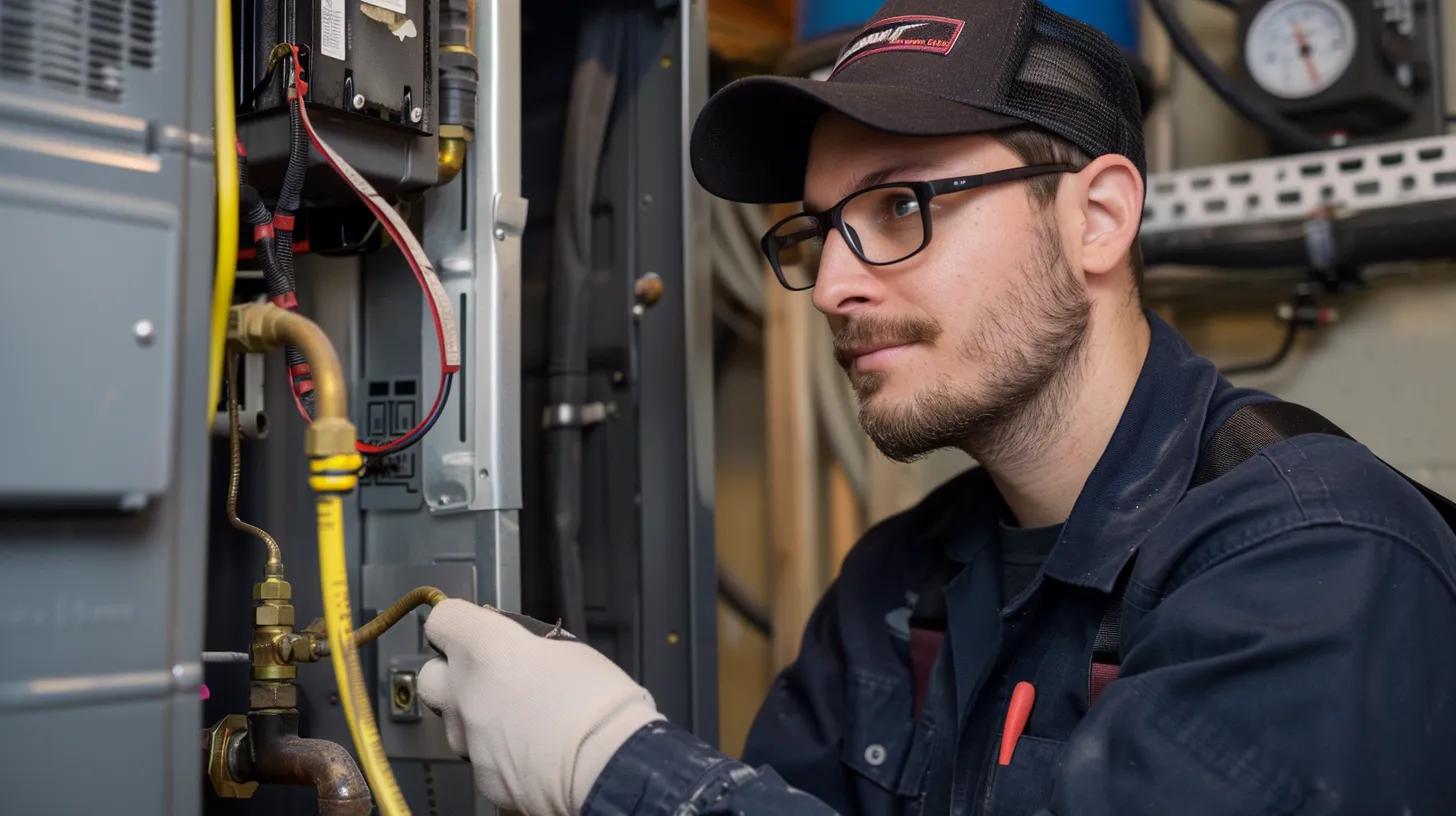
furnace installation

Proper Furnace Installation: The Right Approach for Success

Proper Furnace Installation: The Right Approach for Success with Licensed Experts

Installing a furnace the right way matters — for safety, for comfort, and for your energy bills. A correct install keeps your system running efficiently, helps it last longer, and prevents costly issues down the road. Below you’ll find a straightforward walkthrough of the installation process, typical costs, permit requirements, and how to pick the right unit. We’ll also cover testing and maintenance so your new furnace performs reliably from day one. Taking the time to understand these key factors empowers homeowners to make informed decisions and ensures peace of mind throughout the process.

What Are the Essential Steps for Proper Furnace Installation?

A reliable furnace install follows a clear sequence: evaluate the space, size the unit correctly, follow the manufacturer’s setup instructions, and meet local code requirements. Skipping any step can reduce performance or create safety risks, so each part of the process matters. Additionally, proper ductwork inspection and sealing are critical to maximize efficiency and indoor air quality. Ensuring that the installation site is clean and accessible also helps prevent delays and complications during the project.

How Do Licensed HVAC Technicians Ensure Safe and Efficient Installation?

Licensed HVAC technicians bring training and on-the-job experience to every install. They know how to size the system, set up venting, connect gas and electrical safely, and follow local building codes. That expertise reduces the chance of leaks, poor airflow, or other problems that can affect comfort and safety. Their knowledge also extends to troubleshooting unexpected issues on site, ensuring that the installation is customized to your home’s unique needs.

Strong project planning and on-site oversight help make sure each installation meets safety and quality standards. Technicians also provide valuable guidance on system operation and maintenance, helping homeowners get the most from their investment.

HVAC Installation Project Management: Planning, Safety & Quality

Project management focuses on planning, scheduling, budgeting, and coordinating materials and permits so the project stays on track. Site management handles the day-to-day work: supervising crews, enforcing safety rules, and keeping quality control front and center. HVAC Project Management and Site Supervision, V Vakiloroaya, 2026. Effective communication between all parties involved ensures that timelines are met and any challenges are addressed promptly, minimizing disruptions and cost overruns.

What Tools and Safety Procedures Are Required During Installation?

Technicians rely on basic hand tools (wrenches, screwdrivers), diagnostic tools (multimeters, manometers), and safety gear. Proper ventilation, gas‑line checks, electrical isolation, and following manufacturer safety steps are all essential. These precautions keep both the crew and your home safe during the work. Additionally, the use of personal protective equipment (PPE) such as gloves, goggles, and respirators is standard practice to prevent injuries and exposure to hazardous materials.

How Much Does Furnace Installation Cost and What Factors Affect Pricing?

Installation costs vary depending on the furnace type, how complex the job is, and local labor rates. Knowing the main cost drivers helps you plan and compare accurate quotes from contractors. Other factors influencing cost include the need for ductwork modifications, the accessibility of the installation site, and any additional safety upgrades required by local codes.

What Is Included in a Furnace Installation Cost Estimate?

Estimates usually break down labor, materials, and permit or inspection fees. Labor depends on the hours and technician experience; materials include the furnace plus extras like venting or duct modifications. Ask for a line‑item estimate so you can see what’s covered. This transparency helps avoid unexpected expenses and allows you to make adjustments based on your budget.

How Do Energy Efficient Furnace Setups Impact Installation Expenses?

High‑efficiency furnaces can cost more up front — sometimes due to specialized venting or controls — but they often save money on energy bills over time. Rebates and tax incentives may offset initial costs, making an efficient model a smart long‑term choice. Moreover, these systems often come with advanced features such as variable speed blowers and smart thermostats, which enhance comfort and further reduce energy consumption.

What Permits and Safety Requirements Must Be Met for Furnace Installation?

Before work begins, check the permit and code requirements in your area. Proper permitting ensures the installation is inspected and meets safety and building standards, which protects you and maintains compliance. Failure to obtain the necessary permits can result in fines, voided warranties, or difficulties when selling your home.

Which Local Codes and Permits Are Needed in Richmond and Surrounding Areas?

In Richmond, TX and nearby communities, common permits cover gas line work, electrical connections, and mechanical installations. Contact your local building department or let your licensed contractor handle permit filings so everything is done correctly. Staying informed about any recent code updates is also important to ensure your installation meets all current requirements.

How Does Compliance with Updated Safety Codes Ensure Installation Success?

Following the latest safety codes reduces risks like gas leaks, improper venting, or electrical hazards. Codes evolve as equipment and best practices change, so technicians who stay current deliver safer, more reliable installs. Compliance also helps protect your home insurance coverage and can improve the resale value of your property by demonstrating adherence to professional standards.

How to Choose the Right Furnace and Prepare for Installation?

Pick a furnace based on your home’s size, fuel type, and efficiency needs — and have a clear plan for the installation site. Preparing ahead saves time and avoids surprises on install day. Consider factors such as the furnace’s noise level, warranty terms, and compatibility with existing HVAC components to make the best choice for your household.

What Are the Benefits of Energy Efficient Furnace Types?

Energy‑efficient furnaces use less fuel to heat your home, which lowers monthly bills and reduces environmental impact. Many models qualify for rebates, and the improved efficiency can pay back the higher upfront cost over several years. Additionally, these furnaces often produce fewer emissions, contributing to cleaner indoor air and a healthier living environment.

What Should Be Included in a Furnace Installation Checklist?

A good checklist covers correct furnace sizing, proper ventilation and flue clearances, permit confirmation, and that all required materials and tools are on site. Review this list with your technician before work begins to avoid delays. It’s also wise to verify that safety devices such as carbon monoxide detectors are installed and functioning properly before and after the installation.

What Post-Installation Testing, Maintenance, and Emergency Repair Options Are Available?

After installation, a set of tests and a maintenance plan help keep the system running efficiently. For urgent problems, know when to call a licensed technician so small issues don’t become big failures. Regular maintenance visits can identify wear and tear early, extending the life of your furnace and maintaining optimal performance.

How to Perform Post-Installation Testing for Optimal Performance?

Post‑install checks should confirm proper airflow, temperature output, combustion safety, and that controls operate within the manufacturer’s specs. Technicians will adjust settings and document the results so you get predictable, efficient heat. They may also test safety shutoffs and verify that the system responds correctly to thermostat commands, ensuring reliable operation throughout the heating season.

When Should You Contact Licensed Technicians for Emergency Furnace Repairs?

Call for emergency service if you hear loud bangs, smell gas, experience a total loss of heat, or see signs of overheating. Quick action from a licensed pro protects your home and prevents additional damage. Never attempt to repair gas or electrical components yourself, as this can be dangerous and may void warranties or insurance coverage.

Why Choose Mega A/C Cooling and Heating for Your Furnace Installation Needs?

Mega A/C Cooling and Heating is a regional HVAC provider focused on reliable installs and straightforward service. We combine local knowledge with licensed technicians to give homeowners a safe, efficient result. Our commitment to customer satisfaction means we’re available for ongoing support and maintenance long after the installation is complete.

What Unique Value Propositions Do Our Licensed Technicians Offer?

Our team brings hands‑on experience with different furnace types, strict adherence to local codes, and a customer‑first approach. We aim to finish installs right the first time and stand behind our work. We also provide transparent pricing, detailed explanations, and personalized recommendations tailored to your home’s specific needs.

How to Schedule a Service Appointment for Furnace Installation in Richmond, TX?

Scheduling with Mega A/C Cooling and Heating is easy. Homeowners can contact us directly to discuss your needs and get a personalized quote. We’ll help you select the right unit and plan the installation for minimal disruption. Our flexible scheduling options and prompt response times ensure your project moves forward smoothly.

ComponentDescriptionEstimated Cost
LaborInstallation labor costs vary based on technician experience and time required$500 – $1,500
MaterialsIncludes the furnace unit and necessary components$1,000 – $3,000
PermitsLocal permits required for installation$100 – $300

This cost breakdown highlights the main components of a furnace install so you can compare estimates more easily. Keep in mind that additional costs may arise depending on your home’s specific requirements or unforeseen challenges during installation.

A furnace installation is an important investment that pays off when planned and executed properly. Follow the steps above, work with licensed professionals, and you’ll get safe, efficient heating that lasts. To learn more or schedule a consultation, reach out to Mega A/C Cooling and Heating — we’re here to help. Our team is dedicated to providing expert advice and quality workmanship to ensure your complete satisfaction.

Frequently Asked Questions

What are the signs that indicate a furnace needs repair?

Watch for loud or unusual noises (banging, rattling), uneven heating across rooms, strange odors (especially gas), and sudden increases in energy bills. If you notice any of these, call a licensed technician right away for an inspection. Early detection can prevent costly breakdowns and maintain your family’s safety.

How often should furnace maintenance be performed?

We recommend annual maintenance, ideally before the heating season. That visit typically includes filter changes, leak checks, heat exchanger inspection, and general tune‑up to keep your system efficient and reliable. Regular maintenance also helps identify minor issues before they escalate into major repairs.

What should homeowners do if their furnace stops working?

First check the thermostat settings and the circuit breaker. If those are fine and the furnace still won’t run, contact a licensed HVAC technician. Avoid DIY fixes on gas or electrical systems — safety comes first. Prompt professional service ensures a safe and effective resolution.

Are there any tax incentives for installing energy-efficient furnaces?

Many homeowners may qualify for federal or state tax credits, utility rebates, or local incentives for high‑efficiency equipment. Incentives change by location, so research programs in your area or ask your technician for guidance on eligible units. Taking advantage of these programs can significantly reduce your upfront costs.

What is the average lifespan of a furnace?

Furnaces typically last 15–30 years depending on type and maintenance. Gas units often last 15–20 years; electric units can reach 30 years with proper care. Regular maintenance helps extend service life. Upgrading to a newer, more efficient model may be advisable as your furnace approaches the end of its expected lifespan.

What factors should be considered when selecting a furnace?

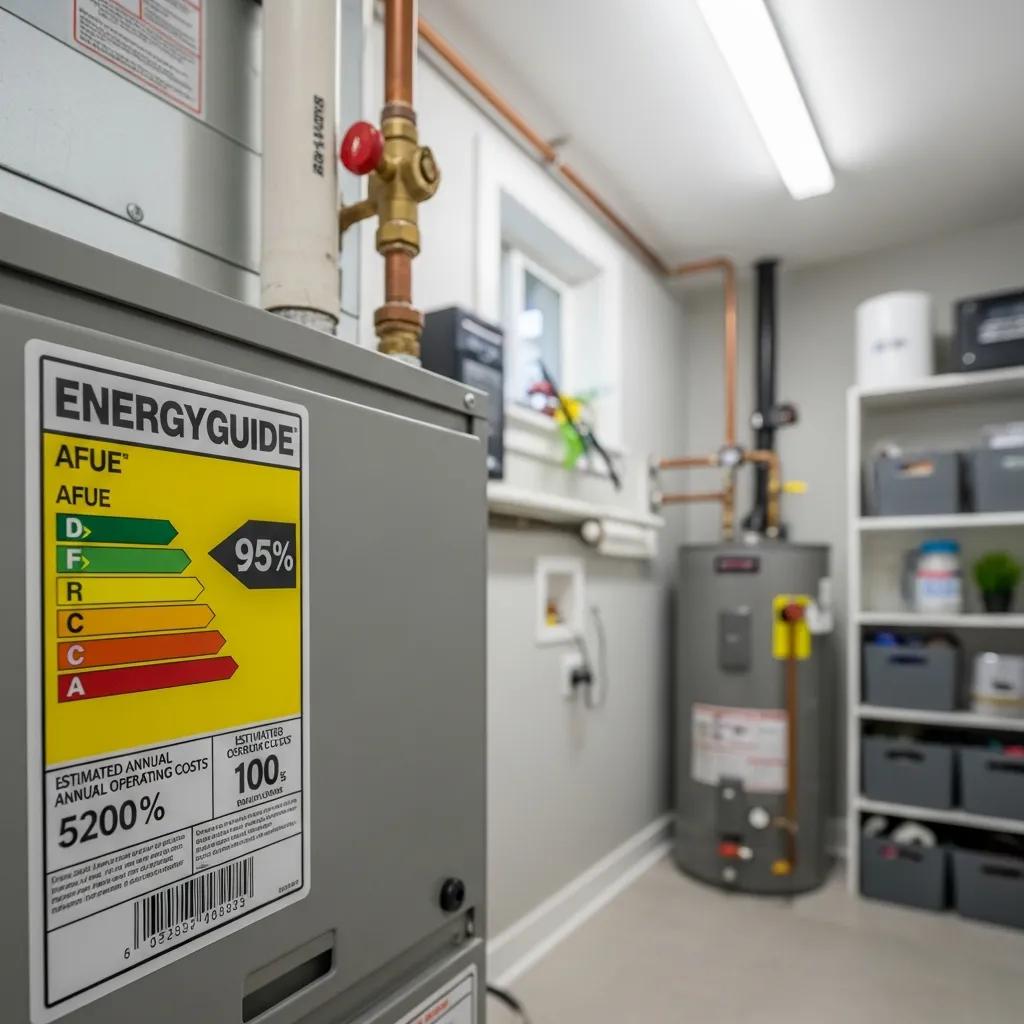
Consider your home size, preferred fuel type (gas, electric, oil), efficiency ratings (AFUE), and budget. Proper sizing and correct installation matter more than brand alone — consult a licensed technician to find the best fit for your home. Additional considerations include noise levels, warranty coverage, and compatibility with smart home systems.

Conclusion

Proper furnace installation protects your safety, reduces energy waste, and keeps your home comfortable. By working with licensed professionals and following the steps above, you’ll get dependable performance and fewer surprises. If you’re ready to get started or have questions, contact Mega A/C Cooling and Heating for expert guidance and a smooth installation experience. Our commitment to quality and customer care ensures your heating system will serve you well for years to come.

heater maintenance

The Importance of Preventative HVAC Maintenance

Preventative HVAC Maintenance: Why It Matters — Benefits, Costs, and Best Practices

Regular preventative HVAC maintenance keeps your heating and cooling systems running longer, costing you less and keeping everyone comfortable. This comprehensive guide explains why routine care matters, the tangible benefits you’ll see, and practical best practices for both homeowners and business owners. Read on to learn how often to service your system, what essential tasks technicians perform during a visit, and how residential and commercial needs differ significantly — all designed to help you avoid surprise repairs and enjoy reliable indoor comfort year-round.

Why Is Preventative HVAC Maintenance Essential for Homes and Businesses?

Preventative maintenance is not just a recommendation; it’s a critical investment because it directly affects how long your system lasts, how much energy it consumes, and the overall quality of the air inside your building. Routine checks catch small, developing problems early, preventing them from escalating into costly, major repairs. Furthermore, consistent care ensures your equipment runs at peak performance, delivering consistent heating and cooling without unnecessary strain. Investing in regular service helps extend the operational life of your system, significantly lowers energy use, and keeps occupants healthier and more comfortable — making it a smart, proactive move for both homeowners and businesses aiming for long-term efficiency and reliability.

How Does Maintenance Extend HVAC System Lifespan?

Routine maintenance actively slows down the natural wear and tear on your HVAC system by addressing minor issues before they can develop into major failures. Tasks such as cleaning or replacing clogged filters, verifying proper refrigerant levels, lubricating moving parts, and tightening loose electrical connections all contribute to a system that runs more smoothly and with less stress. Industry research consistently shows that well-maintained HVAC equipment can last anywhere from 15 to 25 years, a significant improvement compared to the 10 to 15 years typically seen in neglected units. This means a little upkeep now translates into a much longer, more dependable system later, maximizing your initial investment.

What Energy Savings Can You Expect from Regular HVAC Care?

Keeping your HVAC system properly tuned up is one of the most effective ways to reduce energy consumption and significantly lower your monthly utility bills. The U.S. Department of Energy estimates that proper maintenance can improve system efficiency by a substantial 5% to 15%. This efficiency gain adds up considerably over time: a well-serviced air conditioner, for example, can save homeowners hundreds of dollars each year in energy costs by not having to work harder than necessary. Essentially, the cost of regular care often pays for itself through these accumulated energy savings, making it a financially sound decision.

What Are the Key Benefits of Regular HVAC Preventative Maintenance?

Scheduled HVAC maintenance delivers a range of clear and measurable benefits that directly impact your comfort, finances, and health. These advantages include a significant reduction in unexpected repair surprises, a noticeable improvement in indoor air quality, and enhanced system efficiency that translates to lower operating costs. Understanding these core advantages helps property owners make informed decisions when choosing the right service plan and ensures their heating and cooling systems perform reliably and effectively for years to come.

BenefitDescriptionImpact Level
Cost SavingsRoutine care significantly lowers the chance of expensive emergency repairs and prevents unexpected system failures that can lead to costly replacements.High
Improved Air QualityRegular attention to filters and ductwork reduces the circulation of dust, allergens, pet dander, and other airborne contaminants throughout your indoor environment.High
Increased EfficiencyMaintained systems operate with less strain, using less energy to achieve desired temperatures, which directly translates to lower monthly utility bills.High
Extended Equipment LifespanBy preventing premature wear and tear, maintenance helps your HVAC unit last many years longer, delaying the need for a costly full system replacement.High
Enhanced ComfortA well-tuned system provides more consistent temperatures throughout your home or business, eliminating hot and cold spots and improving overall comfort.Medium
Warranty ProtectionMany manufacturer warranties require proof of annual professional maintenance to remain valid, protecting your investment in case of a covered defect.Medium

How Does Maintenance Improve Indoor Air Quality?

Clean filters and clear ducts are fundamental to maintaining superior indoor air quality. Regular maintenance ensures that trapped dust, pollen, pet dander, mold spores, and other airborne pollutants are effectively removed from your system, preventing them from circulating throughout your home or business. Furthermore, routine checks help prevent the growth of mold and bacteria in damp components like evaporator coils and drain pans. For anyone with allergies, asthma, or other respiratory concerns, keeping the HVAC system meticulously serviced is one of the most effective and proactive ways to significantly improve the air they breathe indoors, leading to a healthier living or working environment.

How Does Preventative Maintenance Prevent Costly Repairs and Breakdowns?

Preventative maintenance visits are crucial because they allow skilled technicians to spot minor issues like worn parts, small refrigerant leaks, or loose electrical connections before they escalate into major system failures. Catching these problems early — such as a failing capacitor, a clogged condensate drain, or a struggling fan motor — avoids emergency breakdowns that often occur at the most inconvenient times and come with significantly higher repair costs. Regular service keeps systems reliable, reduces the likelihood of sudden, expensive replacements, and ensures you’re not left without heating or cooling when you need it most, saving you both stress and money in the long run.

How Often Should You Schedule HVAC Maintenance?

Most HVAC experts and manufacturers recommend scheduling professional service twice a year — once in the spring to prepare your cooling system for the heavy demands of summer, and once in the fall to get your heating system ready for the winter months. These biannual tune-ups are designed to help your equipment handle seasonal demand efficiently, significantly reduce the risk of unexpected breakdowns, and often keep your manufacturer warranties valid. Sticking to this consistent schedule is one of the most effective ways to protect your HVAC investment, ensure optimal performance, and maintain consistent indoor comfort throughout the year.

What Does a Comprehensive HVAC Maintenance Checklist Include?

  • Changing Filters: Technicians will replace dirty air filters with clean ones, which is crucial for maintaining proper airflow, preventing strain on the system, and ensuring the highest quality of indoor air by trapping dust and allergens.
  • Cleaning Coils: Both the evaporator and condenser coils will be thoroughly cleaned to remove accumulated dirt, grime, and debris. Clean coils are essential for efficient heat exchange, allowing the system to cool or heat effectively without overworking.
  • Checking Refrigerant Levels: The technician will verify that refrigerant is at the correct level. Low refrigerant can indicate a leak and severely impair cooling performance, leading to higher energy consumption and potential compressor damage.
  • Inspecting Ductwork: A visual inspection of the ductwork will be performed to identify any leaks, blockages, or damage that could reduce airflow, waste energy, and compromise indoor air quality.
  • Lubricating Moving Parts: Motors and other moving components will be lubricated to reduce friction and wear, preventing premature failure and ensuring quiet operation.
  • Tightening Electrical Connections: All electrical connections will be checked and tightened to ensure safe operation and prevent potential fire hazards or system malfunctions.
  • Calibrating Thermostat: The thermostat will be checked for accuracy and calibrated if necessary, ensuring it reads temperatures correctly and controls the system efficiently.
  • Checking Condensate Drain: The condensate drain line will be inspected and cleared to prevent blockages that can lead to water leaks, mold growth, and system shutdowns.

Why Is Biannual Service Recommended for Optimal HVAC Performance?

Seasonal tune-ups are specifically designed to address what each system needs most before periods of heavy use. Spring checks focus on getting your air conditioning unit ready for the intense cooling demands of summer, ensuring components like the compressor, coils, and refrigerant levels are optimized. Fall checks, conversely, prepare your heating system for winter, focusing on furnace components, heat exchangers, and safety controls. These timed inspections are critical for revealing issues that might appear after heavy use, helping to maintain manufacturer warranties, and significantly extending the equipment’s operational life. Regular, targeted service ensures consistent performance and maximum efficiency precisely when you need your system most, preventing unexpected failures during extreme weather.

What Are the Differences Between Residential and Commercial HVAC Maintenance?

Residential and commercial HVAC systems differ significantly in their size, complexity, operational hours, and the critical nature of their function, meaning their maintenance needs are distinct. Commercial systems typically operate for much longer periods and serve a larger number of occupants or critical processes, which necessitates more frequent, in-depth, and specialized attention. Understanding these fundamental differences is crucial for property owners to plan and implement a service strategy that precisely matches the system’s design, usage patterns, and the specific demands of the environment it serves.

What Are the Unique Needs of Residential HVAC Systems?

Home HVAC systems are generally simpler in design and smaller in scale, typically serving a single family or dwelling unit. Homeowners should prioritize regular filter changes, biannual professional inspections, and occasional duct cleaning to maintain efficiency and air quality. While many homeowners can handle basic tasks like replacing air filters, professional inspections are vital for catching less obvious issues such as refrigerant leaks, electrical problems, or worn-out components that could lead to major breakdowns. Residential maintenance focuses on comfort, energy efficiency for a single household, and ensuring a healthy living environment.

Why Is Commercial HVAC Maintenance Critical for Business Continuity?

Commercial HVAC systems are integral to supporting employees, customers, and often critical equipment or sensitive products—meaning any downtime can have direct and severe business costs. These systems are typically larger, more complex (often multi-zone or rooftop units), and operate almost continuously, leading to faster wear and tear. Consequently, commercial systems require more frequent and rigorous checks, larger-scale filter replacement programs, and often demand quicker response times for repairs. Regular, proactive maintenance helps businesses avoid failures that can disrupt operations, lead to lost revenue, compromise product integrity, affect employee productivity, and even impact safety and regulatory compliance. It’s an essential part of risk management for any business.

How Much Does an HVAC Maintenance Plan Cost and What Should You Expect?

The cost of an HVAC maintenance plan can vary significantly based on factors such as the type and number of systems, the frequency of visits, and the specific services included. Understanding typical pricing ranges and what is generally covered in these plans is essential for property owners to choose the right plan that aligns with their property’s needs and budget, ensuring long-term system health without unexpected financial burdens.

What Are Typical Pricing Ranges for Residential and Commercial Plans?

Residential HVAC maintenance plans commonly range from $150 to $300 per year for a single system, though this can increase for multiple units or more comprehensive services. These plans typically include one to two scheduled inspections annually, basic filter changes, and often offer priority service or discounts on repairs. Commercial plans, due to their larger scope, complexity, and more frequent service needs, can range from $500 to $1,200 annually per system, or even more for large, multi-unit facilities. Commercial agreements usually encompass more detailed inspections, larger-scale filter programs, and guaranteed rapid response times for critical issues, reflecting the higher stakes of business operations.

What Services Are Included in Mega A/C Cooling & Heating’s Maintenance Plans?

  • Seasonal Inspections: Our plans include comprehensive full system checks performed twice a year (spring and fall) to confirm optimal heating and cooling performance, identify potential issues, and ensure all components are operating safely and efficiently.
  • Filter Changes: We provide routine replacement of standard air filters during each scheduled visit to protect your indoor air quality, maintain proper airflow, and ensure your system operates at peak efficiency without unnecessary strain.
  • Duct Cleaning: When necessary, our plans can include professional ductwork cleaning to remove accumulated dust, debris, and allergens, significantly improving airflow, system efficiency, and overall indoor air quality.
  • Priority Service: As a plan member, you receive priority scheduling for any repair needs, ensuring faster response times, especially during peak seasons or emergency situations.
  • Repair Discounts: Many of our plans offer exclusive discounts on parts and labor for any repairs that may be needed outside of routine maintenance, providing additional savings and peace of mind.
  • Performance Reports: After each visit, you’ll receive a detailed report outlining the condition of your system, any recommendations, and the services performed, keeping you fully informed about your HVAC health.

Frequently Asked Questions

How does HVAC maintenance improve indoor air quality?

Regular maintenance keeps filters clean and ductwork clear of accumulated dust, pet dander, pollen, and other airborne debris, which directly lowers the concentration of allergens and pollutants circulating in your home or office. Routine checks also reduce the risk of mold and bacterial growth in damp areas of the system, such as the evaporator coil and condensate drain pan, thereby helping to protect occupants with allergies, asthma, or other respiratory sensitivities.

What should I do if my HVAC breaks down?

First, turn the system off at the thermostat and check your circuit breaker to see if it has tripped. If the problem persists after resetting the breaker, contact a professional technician for diagnosis and repair. Avoid attempting complex repairs yourself. Having a maintenance plan in place can significantly reduce the chance of breakdowns and often provides you with faster, priority service when issues do arise, minimizing your discomfort.

How do I choose the right maintenance plan?

To choose the right plan, match it to your system’s age, its typical usage patterns, and your budget. Consider how often the system runs, its past repair history, and whether you require priority service or specific inclusions like duct cleaning. Compare what each plan includes—such as the number of inspections, filter changes, specific cleaning tasks, and response times—and always read customer reviews to find a trustworthy and reliable provider like Mega A/C Cooling & Heating.

Conclusion

Preventative HVAC maintenance stands out as one of the simplest, yet most effective, ways to safeguard both your indoor comfort and your financial budget. Regular tune-ups are proven to significantly improve system efficiency, extend the operational life of your equipment, and contribute to healthier indoor air quality for everyone. If you desire reliable performance, fewer unexpected surprises, and consistent comfort throughout the seasons, don’t hesitate to schedule your preventative maintenance with Mega A/C Cooling & Heating — we are dedicated to helping keep your system running at its absolute best, year after year.

furnace repair cost

Average Furnace Replacement Cost: What You Need to Know

Average Cost of Furnace Replacement in Richmond, TX — Complete 2025 Guide

Replacing a furnace is a big home expense. In 2025, installed costs vary widely based on the furnace type, efficiency, and how complex the installation is. This guide breaks down what a replacement job includes, national and Richmond-area price ranges, how fuel type and AFUE ratings affect both up-front and long-term costs, and the usual add-ons that push the final price up. With this information, homeowners can budget more accurately, avoid surprise fees, and decide whether repair or replacement makes better financial sense. In Richmond, Sugar Land, and Missouri City, local labor rates, permit fees, and fuel availability shift national averages into realistic local ranges. Mega A/C Cooling and Heating provides local estimates and 24/7 emergency service when timing is critical. Read on for clear cost tables, a step-by-step installation overview, financing and promotion notes, and short answers to the most common homeowner questions about planning for furnace replacement.

What Is Furnace Replacement and Why Is It Important?

Furnace replacement means removing an old heating unit and installing a new, properly sized furnace with the required connections and safety components. A replacement usually boosts energy efficiency, lowers operating costs, reduces the risk of carbon monoxide from a failing heat exchanger, and restores consistent home comfort. It’s also a chance to upgrade thermostats, fix or seal ductwork, and right-size the equipment so it doesn’t short-cycle. Knowing what the work involves helps you compare estimates, spot missing items, and be ready if the crew finds additional repairs—keeping the job on schedule and minimizing disputes.

What Does Furnace Replacement Include?

A standard furnace replacement covers removal and disposal of the old unit, setting and securing the new furnace, connecting gas or electrical supply, installing or updating venting and flues, hooking up controls and the thermostat, running safety checks, and commissioning the system so it operates correctly. Technicians will inspect ductwork and registers and often recommend sealing or repairs where leaks or mismatched sizing exist—sometimes sealing alone saves more energy than replacing the whole system. Permits and municipal inspections are commonly required and factor into timeline and cost when local code demands them. Knowing these included tasks helps you compare bids fairly and avoid surprises when additional work is found on site.

  • What this checklist covers: the common installation steps and typical add-ons.
  • How to use it: match each line to contractor proposals to confirm complete pricing.
  • Why it matters: omitted items in an estimate frequently become extra charges during the job.

Use this checklist to ask targeted questions and avoid last-minute upgrades that inflate the final invoice.

When Should You Consider Replacing Your Furnace?

Think about replacement if your furnace has ongoing performance problems, is near or past its expected lifespan, needs frequent expensive repairs, or causes uneven heating and rising utility bills despite maintenance. Age is a strong signal—many gas furnaces reach the end of reliable service around 15–20 years. Repeated part failures or signs like rust, banging noises, or suspected heat-exchanger issues usually point to replacement rather than repair. Also consider replacing when a single repair estimate approaches half the cost of a new high-efficiency unit—at that point a new furnace often gives better long-term value and reliability. Planning ahead lets you avoid emergency replacements in cold weather, which can be more expensive and disruptive.

What Is the Average Cost to Replace a Furnace in 2025?

In 2025, installed furnace replacements run from modest three-figure jobs for basic electric units up to several thousand dollars for high-efficiency gas systems that include ductwork work. A commonly cited national installed range is about $2,500 to $7,500. The total price breaks down into the unit cost, labor, permits and inspections, and any ductwork or gas-line modifications—each can swing the final number depending on your home. Local factors in Richmond, Sugar Land, and Missouri City—technician rates, permit schedules, and market supply—usually pull installed costs toward the national midpoint, although complex jobs still reach the high end. Below is a quick comparison of typical installed cost ranges by furnace type to help you scan options and compare bids.

Typical installed cost ranges by furnace type for 2025:

Furnace TypeTypical Unit Cost RangeInstalled Cost Range (2025)
Gas Furnace (standard)$1,200–$3,000$3,000–$7,000
High-efficiency Gas (95%+ AFUE)$2,000–$4,500$4,000–$8,500
Electric Furnace$600–$1,500$1,500–$3,500
Propane / Oil Furnace$1,500–$4,000$3,500–$7,500

These are ballpark ranges. Local labor rates and permit needs usually explain the spread between the low and high ends, so use these figures for planning rather than as final quotes.

What Are the National and Local Cost Ranges?

National averages land near the midpoints shown above, but local differences matter. Richmond-area installs reflect local labor and permit costs and can be slightly below or above national averages depending on supply and demand. For Richmond, Sugar Land, and Missouri City homes, a mid-efficiency gas furnace with minimal ductwork changes typically falls in the middle of the national band; older homes needing duct redesign or gas-line upgrades move toward the higher end. When comparing estimates, confirm whether quotes include permit fees, removal and disposal, thermostat setup, and post-installation testing—those line items often explain apparent price gaps. For Richmond residents wanting a tailored number, Mega A/C Cooling and Heating provides local estimates and promotions and can be contacted to schedule an on-site estimate or emergency service.

How Do Labor and Installation Fees Affect Furnace Replacement Price?

Labor and installation make up a large share of the total cost because licensed HVAC work requires experienced technicians, time for safe gas or electrical hookups, and proper commissioning. A straightforward swap in an accessible closet can take a day or less, while fuel conversions, flue rework, or tight crawlspace installs add time and cost. Complexity drivers include gas-line rerouting, structural access, full duct replacement, and code-required inspections—each adds labor or subcontracted trades. Always ask for a written labor breakdown so you can see how much of the estimate is equipment versus skilled installation time and where potential add-ons might appear.

How Do Different Furnace Types Affect Replacement Costs?

Fuel type and furnace design shape both up-front and ongoing costs. Gas furnaces usually cost more to install but run cheaper where natural gas is available; electric units have lower installation cost but higher operating bills. The right choice depends on local fuel availability, existing infrastructure, your efficiency goals, and whether you prefer to prioritize up-front savings or lifetime costs. Features like two-stage or modulating burners and variable-speed blowers increase installed price but improve comfort and efficiency; higher AFUE ratings carry a premium but lower annual fuel bills. The table below compares fuel types by upfront and operating cost with pros, cons, and local considerations to help you decide.

Fuel TypeUpfront Cost / Operating CostPros / Cons / Local Considerations
Natural GasModerate–High upfront / Lower operatingPros: lower fuel cost where gas is available; Cons: requires safe gas-line connections; Local: common in Richmond area
ElectricLow–Moderate upfront / Higher operatingPros: simpler installation and no combustion emissions; Cons: higher electricity bills; Local: good for homes without gas
PropaneModerate–High upfront / Moderate operatingPros: viable where no gas line; Cons: requires tank and deliveries; Local: availability affects operating cost
OilHigh upfront / Variable operatingPros: strong heat output; Cons: fuel storage, higher maintenance; Local: less common, may increase install complexity

This comparison helps you weigh immediate budget limits against expected annual energy expenses and local fuel infrastructure.

What Is the Gas Furnace Replacement Cost and Its Benefits?

Gas furnace replacements often fall in the mid-to-upper installed range because of the cost for gas-rated heat exchangers, venting, and safe gas hookups. High-efficiency gas units add premium pricing for condensing technology and modulating designs. Benefits include lower fuel cost per BTU where natural gas is available, dependable performance, and widespread technician familiarity, which can simplify maintenance. In the Richmond/Sugar Land area, gas is a common choice, but additional gas-line work or venting changes can raise the bill. When evaluating gas options, focus on AFUE rating, correct sizing, and professional combustion safety checks to protect value and safety.

How Much Does an Electric Furnace Replacement Cost?

Electric furnaces typically cost less to install and are simpler to fit, making them a good choice where gas isn’t available. However, they usually have higher operating costs if electricity prices exceed gas. The installed range is lower up front, but compare long-term energy estimates—especially on larger homes or where heating demand is high, since resistance heat can be costly. Converting between fuels requires extra trades and raises price and time, so verify existing infrastructure before switching. Some homeowners pair electric furnaces with heat pumps for milder seasons to balance upfront cost and annual energy use.

What Are the Costs for Oil and Propane Furnace Replacement?

Oil and propane systems are common where natural gas mains aren’t available and bring extra installation details like storage tanks, delivery logistics, and specific venting needs. These factors increase complexity and oversight. Installed costs for oil or propane systems can match high-end gas units once tank and delivery setup are included, and fuel-price volatility affects lifetime operating costs. Propane is often the practical alternative to gas mains, while oil systems are less common and usually require more maintenance and environmental precautions. In the Richmond area, weigh fuel availability and storage implications carefully before choosing these options.

How Do Energy Efficiency Ratings Impact Furnace Replacement Cost?

High-efficiency furnace showcasing energy rating label in a utility room, highlighting energy savings

AFUE — Annual Fuel Utilization Efficiency — measures how well a furnace turns fuel into heat and is key when comparing replacement options. Higher-AFUE models (for example, 95%+ condensing furnaces) cost more up front because of extra heat-exchange surfaces and condensate management, but they cut annual fuel use and can pay back the investment over time through lower bills. ENERGY STAR equipment and 2025 incentives may further improve lifetime economics by lowering net purchase cost or offering tax credits for qualifying installations. When you run payback calculations, include local fuel rates, your annual heating load, and expected lifespan to decide whether the efficiency premium makes sense for your home.

This analysis highlights how efficiency improvements affect the total cost of owning and operating a furnace over its lifetime.

Life-Cycle Cost Analysis for Residential Furnace Efficiency

Life-cycle cost (LCC) looks at all costs to buy, install, operate, and maintain a furnace over its useful life. The analysis shows how higher-efficiency equipment reduces operating costs and can lower the overall LCC despite higher up-front prices. The Department of Energy recommends life-cycle cost analysis to judge whether efficiency improvements deliver real savings when considering purchase price, installation, fuel, and maintenance across the appliance’s lifetime.

Life-cycle cost analysis of energy efficiency design options for residential furnaces and boilers, 2012

What Are High-Efficiency Furnace Costs and Benefits?

High-efficiency furnaces typically add several hundred to a few thousand dollars to installed cost compared with baseline units, but homes with sizable heating needs often see payback within a few years. Benefits include lower monthly energy bills, steadier comfort, a smaller environmental footprint, and sometimes quieter operation — results of better heat exchangers, condensing technology, and improved airflow control. Simple payback depends on local fuel prices and how much you heat; for owners planning to stay in their home, high-efficiency units often make financial as well as comfort sense. Also check for local or federal incentives that can reduce the effective price.

Are There Tax Credits or Incentives for Energy-Efficient Furnaces in 2025?

In 2025 there are federal and regional incentives to encourage energy-efficient furnace installations, but eligibility rules change and usually require qualifying equipment and installer criteria. Incentives might be fixed amounts, percentage discounts, or tax credits and can have income, installer, or timing limits. Treat any credit or rebate as a potential offset—not a guaranteed discount—until you confirm program requirements. Consult authoritative program guidance before relying on incentives when choosing a furnace.

Frequently Asked Questions

What are the signs that indicate I need to replace my furnace?

Look for frequent breakdowns, steadily rising energy bills, uneven heating, and unusual noises or smells. If the furnace is over 15 years old and repairs are costly or recurring, replacement may be more economical. Visible rust or corrosion on the heat exchanger or any safety concerns should prompt immediate evaluation. Addressing problems early helps avoid emergency failures and higher costs in peak heating months.

How can I choose the right furnace size for my home?

Right-sizing starts with a heating load calculation measured in BTUs. Factors include home square footage, insulation, window quality, and local climate. A professional HVAC technician can run the calculation and recommend the correct size to ensure efficiency and balanced comfort. Oversized or undersized equipment leads to higher energy bills and inconsistent heating, so proper sizing is essential.

What maintenance is required after furnace installation?

After installation, regular maintenance keeps the system running well. Change filters every 1–3 months, schedule an annual professional inspection, and clean ducts and the furnace as needed. Watch for new noises or odors and report them quickly. Routine maintenance extends equipment life and keeps operating costs down.

Are there specific energy efficiency ratings I should look for?

Yes — check the AFUE rating. Higher AFUE means better fuel-to-heat conversion; modern high-efficiency furnaces often rate 90% or above. ENERGY STAR certification also helps identify efficient units. Higher-efficiency models cost more up front but usually save money over time through lower fuel bills.

What financing options are available for furnace replacement?

Many HVAC companies, including Mega A/C Cooling and Heating, offer financing to spread the cost of a replacement. Options may include low-interest loans, payment plans, or seasonal promotions. Ask about program details, eligibility, and any incentives for energy-efficient models. Reviewing financing alongside estimated energy savings helps you pick the best net cost option.

Conclusion

Knowing average furnace replacement costs in Richmond, TX helps you make informed choices about your home’s heating. By weighing unit type, installation complexity, and local conditions, you can budget confidently and avoid surprises. For a tailored estimate and expert advice, reach out to Mega A/C Cooling and Heating. Start the conversation today and take the first step toward a safer, more efficient, and more comfortable home.

Conclusion

Understanding the average costs of furnace replacement in Richmond, TX empowers homeowners to make informed decisions about their heating needs. By considering factors such as unit type, installation complexity, and local market conditions, you can effectively budget and avoid unexpected expenses. For personalized estimates and professional guidance, connect with Mega A/C Cooling and Heating today. Take the first step towards a safer, more efficient, and comfortable home.

furnace repair

Understanding Furnace Noise: Common Causes & Easy Repairs

Furnace Making Noise? Diagnosis & Repair Guide for Homeowners and Businesses

Unusual furnace noises aren’t just annoying — they’re clues. Sounds like banging, screeching, rattling, humming, whistling, hissing, popping, and rumbling can point to mechanical wear, restricted airflow, ignition trouble, or electrical faults that affect safety and performance. This guide explains what common furnace sounds usually mean, how to run safe homeowner checks, and when to call a licensed technician. You’ll get practical diagnostic hints that connect specific noises to parts like blower motors, heat exchangers, igniters, gas valves, belts, capacitors, burners, and ductwork, plus clear rules for emergency action. We also cover maintenance steps to cut down noise-related failures, a quick-reference noise table, repair complexity and cost factors, and component-focused tips so you can quickly and accurately describe the issue to your technician. Safety is the priority throughout — know when to troubleshoot and when to stop and call for professional help.

Why Is My Furnace Making Loud Noises? Common Furnace Noise Types Explained

We classify furnace noises by their sound because each pattern usually links to a small set of probable causes — that speeds diagnosis and keeps repairs safer. Mechanical impacts and delayed ignition cause bangs and booms; worn bearings or belts make screeches; loose panels or debris create rattles and clanks; and electrical parts or failing capacitors often hum or buzz. Noting when a noise happens (startup, constant run, or shutdown) and whether it changes with blower speed or thermostat commands helps narrow the source and urgency. The table below pairs common noises with likely components and recommended next steps so you can prioritize safety and repairs.

This table maps common furnace noises to probable causes and recommended actions.

Noise TypeLikely Component(s)Severity / Urgency
Banging / BoomingDelayed ignition, burners, gas valveSevere — stop use if frequent; call a pro immediately
Screeching / SquealBlower motor bearings, fan belt, blower wheel contactModerate to severe — schedule service soon
Rattling / ClankingLoose panels, debris, duct straps, mounting hardwareLow to moderate — check panels and vents first
Humming / BuzzingTransformer, capacitor, loose electrical connectionModerate — shut down if you smell burning
WhistlingAirflow restriction, closed vents, duct leaksLow to moderate — inspect filters and registers
HissingGas leak, duct leakSevere — evacuate and call emergency services
PoppingIgnition delay, duct expansionModerate — monitor and have burners inspected
RumblingFlame instability, combustion issuesSevere — professional inspection required

Use this quick reference to combine sound clues with visual or odor signals and decide whether to isolate the system or shut it down for safety before further checks.

What Causes a Furnace Banging Noise and How Is It Fixed?

A loud bang or boom at ignition often means delayed ignition — gas briefly builds up and then ignites with a pressure spike — but it can also come from loose burners or ductwork slamming during startup. Delayed ignition commonly happens when burners are dirty, the igniter is weak, or gas pressure is off; you may notice the bang when the system lights and a faint combustion smell. For safety, avoid repeatedly cycling the furnace and consider shutting it down until a technician can inspect it. A trained pro will clean burners, check and adjust ignition timing, test the gas valve, and confirm steady combustion; sometimes parts need replacement to restore safe, reliable ignition.

This ties the sound to combustion mechanics and emphasizes prioritizing safety and a professional fix over temporary workarounds.

What Does a Screeching Furnace Sound Indicate?

A high-pitched screech usually points to rotating friction — failing blower motor bearings, a loose or glazed fan belt, or the blower wheel rubbing the cabinet. Belt squeals are often loudest at startup and may ease as parts warm up; bearing failure produces a continuous, worsening shriek and often increases electrical draw. Short-term lubrication or a belt adjustment can quiet it briefly, but ongoing screeching typically requires belt replacement, bearing repair, or a blower motor replacement to avoid complete motor failure. Don’t ignore screeching — prompt service prevents larger repairs and keeps airflow steady.

These distinctions help you describe the noise clearly to the technician and understand likely repair steps.

Failure Analysis of Air Blower Motor Bearing

This investigation examined why a cylindrical roller bearing in an air blower motor fractured. Analysts reviewed the bearing’s metallurgy and chemical makeup, inspected fracture surfaces with electron microscopy, and tested the grease’s composition and thermal properties. Results pointed to degraded lubrication — grease decomposition and oxidation under high temperatures — which caused dry friction, impact wear on the outer ring and cage, and eventually fatigue cracks that led to fracture. The study concludes with suggested countermeasures and maintenance steps.

Failure analysis of fatigue fracture on the outer ring of a cylindrical roller bearing in an air blower motor, ZG Yang, 2012

How Can I Diagnose and Troubleshoot Furnace Noises Safely?

Start with safety: cut power at the switch, make sure carbon monoxide detectors work, and never probe gas lines or open sealed combustion parts. Use a simple inspection order — check filters and vents, tighten access panels, verify thermostat settings, and watch when noises appear (startup, steady run, or shutdown). Note whether the noise changes with fan speed or thermostat commands and whether there are smells or breaker trips — these details are the primary clues technicians use. Below is a homeowner-safe checklist to troubleshoot common noises while minimizing electrical and combustion risks.

Follow these homeowner-safe troubleshooting steps in order. Stop and call a professional if you detect gas smells, sparks, or signs of unstable combustion.

  • Power and Safety Check: Turn off power to the furnace at the switch and confirm carbon monoxide detectors are working.
  • Inspect and Replace Filter: Check the air filter for dirt and replace it if clogged to rule out airflow restriction.
  • Tighten Access Panels and Fasteners: Remove the access panel safely and tighten visible screws and sheet-metal fasteners that can rattle.
  • Listen at Startup and Shutdown: Turn the power back on and observe whether noises happen at ignition, while the blower runs, or at shutdown to isolate timing clues.

These steps fix many simple noise sources while making it clear when to stop and call a licensed technician if you encounter dangerous signs.

What Are Simple Steps to Identify Furnace Rattling and Clanking Noises?

Rattles and clanks often come from loose panels, foreign objects, or unsecured ductwork and are the easiest problems for homeowners to check. First, turn off power, then inspect the cabinet and nearby duct runs for loose screws, unsecured straps, or debris. Tighten access panel screws and secure hanging duct supports. Replace or clean a clogged filter and make sure vents and registers are open — pressure shifts can move duct parts into contact and cause noise. If the sound continues after these checks, the source may be internal (heat exchanger or fan housing) and needs a technician’s deeper inspection.

This process helps you eliminate simple mechanical causes safely and gives clear next steps when DIY measures don’t solve the problem.

When Is a Loud Furnace Humming or Buzzing a Sign of Electrical Problems?

Persistent humming or buzzing paired with erratic operation, breaker trips, or a burning smell usually indicates electrical trouble — a failing transformer, capacitor, or loose connection — and should be treated as a hazard. If the hum increases when the blower starts, suspect motor or capacitor issues; buzzing with hot panels or scorch marks points to loose wiring or arcing, which is a fire risk. The safe immediate action is to power down the unit and avoid restarting until a licensed technician performs electrical tests. Don’t attempt electrical diagnosis without proper training — it’s dangerous. When electrical warnings are present, call a professional.

This guidance helps you tell routine hums from electrical red flags and explains why licensed diagnostics are required for electrical-origin noises.

When Should I Call a Professional for Furnace Noise Repair in Richmond, TX?

Call a professional right away if noises come with safety signs — repeated ignition bangs, hissing that smells like gas, a burning odor, visible flame instability, or carbon monoxide detector alerts. For non-urgent but persistent noises (ongoing screeching, rattles that return after tightening, or steady humming without arcing), schedule a prompt diagnostic to prevent escalation. Use simple decision rules: treat sudden severe noises or any odor/CO alarm as an emergency; for steady but non-dangerous noises, arrange same-week service. Give the technician specific observations — when the noise happens, its pitch, any smells, and breaker behavior — to speed diagnosis and safe repair.

For local help in Richmond and nearby communities, Mega A/C Cooling & Heating offers trained diagnosticians ready to assist. For service appointments, estimates, or emergency repairs, contact Mega A/C Cooling & Heating. We provide heating services and furnace repair across local neighborhoods and always use a safety-first approach when triaging noisy furnaces.

  • When to call immediately: Any hissing that suggests a gas leak, strong burning smells, repeated ignition bangs, or CO alarm activation.
  • When to schedule promptly: Persistent screeching, continuous humming, or rattles that return after basic checks.
  • When DIY is acceptable: Tightening loose panels, replacing filters, and removing visible debris — stop and call a pro if unsure.

These decision rules lower risk and help you explain urgency clearly to the technician we send to your home.

What Are the Safety Risks of Ignoring Furnace Noises?

Leaving abnormal furnace noises unchecked can lead to bigger mechanical damage, reduced efficiency, and serious safety hazards like carbon monoxide exposure or electrical fires. A cracked heat exchanger may make unusual sounds before leaking CO, and delayed ignition raises thermal stress on combustion parts. Electrical buzzing that signals arcing can ignite nearby materials if not fixed, and worn bearings can cause sudden blower seizure and overheating. Treat persistent, odd, or worsening noises as early warnings and prioritize professional diagnostics to protect people and property.

Because these risks grow over time, early inspection often reduces repair complexity and cost compared with emergency fixes — prompt action is both safer and more economical.

Frequently Asked Questions

What should I do if my furnace makes a hissing noise?

A hissing sound can mean a gas leak or a duct leak. If you hear hissing and suspect gas, evacuate the area immediately, avoid using electrical devices or switches, and call emergency services or a licensed technician from a safe location. Duct hissing is less urgent but still worth inspecting — check vents and filters and call a pro if the sound persists or if you smell gas.

How can I tell if my furnace noise is a sign of a serious problem?

Certain noises point to higher risk: repeated banging during ignition may indicate delayed ignition; humming or buzzing with a burning smell often signals electrical trouble. Persistent or worsening noises deserve professional attention. When in doubt — especially if there’s an odor, smoke, or CO alarm — treat it as serious and call a technician.

Can regular maintenance help reduce furnace noise?

Absolutely. Routine maintenance keeps bearings, belts, and filters in good shape and prevents many noise causes. During a tune-up, a technician will clean burners, lubricate moving parts, and tighten connections to keep your furnace quiet and reliable. Scheduled service reduces emergency calls and extends equipment life.

What are the signs that my furnace needs immediate repair?

Get immediate help for loud bangs or pops, persistent hissing, strong burning smells, frequent breaker trips, or if the furnace won’t start. These symptoms can point to safety hazards or imminent failures — don’t wait to call a professional.

How can I improve the efficiency of my furnace?

Keep filters clean, seal duct leaks, and schedule annual inspections. A programmable thermostat helps reduce runtime, and routine maintenance ensures burners and motors run efficiently. These steps lower energy use and reduce stress on components that cause noise and failures.

Conclusion

Address noisy furnaces promptly to avoid bigger repairs and protect your home. Recognizing specific sounds helps you take the right steps — from simple filter changes and panel checks to calling a professional for dangerous signs. Regular maintenance and timely diagnostics improve safety, performance, and equipment life. For expert help and fast, local service, reach out to Mega A/C Cooling & Heating.

HVAC maintenance

Seasonal Maintenance Checklist: Essential Home Repair Tips

Essential Seasonal Tasks to Protect Your Home: Plumbing and HVAC Maintenance Checklist

Spring into a season-by-season maintenance plan that puts plumbing and HVAC care at the center of home protection for Fargo and Moorhead homeowners. This article is a practical, locally tailored seasonal maintenance guide that explains what to check, why each task matters, and how routine attention prevents water damage, frozen-pipe disasters, and inefficient heating or cooling. Many households face costly repairs after a harsh winter or an intense spring thaw; targeted seasonal maintenance reduces emergency calls and preserves system lifespan while improving energy efficiency. You will get a clear spring checklist for AC and sump pumps, summer guidance for water heaters and indoor air quality, fall steps to winterize pipes and furnaces, and winter emergency prevention tactics for frozen pipes and heating failures. Each section includes short how-to steps, DIY limits, quick decision rules for when to call a professional, and local scheduling guidance tailored to Fargo-Moorhead climate patterns.

What Are the Key Spring Plumbing and HVAC Maintenance Tasks?

Spring maintenance resets systems after winter and prepares cooling and drainage systems for higher loads; it reduces rust, sediment, and freeze-thaw stresses that create leaks or blockages. Performing seasonal maintenance in spring improves AC efficiency, clears drainage paths for melting runoff, and verifies sump pump readiness for high runoff events, which together reduce the chance of water intrusion and costly repairs. The practical tasks that follow form a homeowner-focused checklist that separates safe DIY checks from items requiring professional service. Read the quick checklist, then follow the step-by-step H3 subsections for AC prep and sump pump testing to make spring maintenance actionable.

This spring checklist highlights the highest-impact actions to recover from winter and prepare for warm months:

  • Test and clean the sump pump and its discharge path to prevent basement flooding.
  • Change HVAC filters and schedule an AC tune-up before peak cooling season.
  • Inspect outdoor faucets, hose bibs, and irrigation connections for leaks.
  • Flush basement drains and check for slow wastewater lines after thaw.
  • Clear gutters and downspouts to ensure meltwater moves away from foundations.
  • Inspect visible pipes for cracks, insulation gaps, and loose insulation.

These tasks prioritize water-risk reduction and cooling efficiency; the next section explains AC prep steps and safety limits for homeowners before calling a technician.

How to Prepare Your AC and Cooling System for Spring Efficiency

Preparing an air conditioning system for spring starts with filter replacement, condenser coil cleaning, and a functional thermostat to restore efficient operation. Homeowners can replace filters, clear debris around the outdoor unit, and confirm that vents are unobstructed; these steps improve airflow and reduce compressor workload. More technical checks—refrigerant pressure, electrical connections, condensate drain integrity, and system performance diagnostics—require a trained technician to ensure safety and peak efficiency. Performing basic homeowner checks first reduces service time and cost, and a professional AC tune-up typically restores rated efficiency and avoids midseason breakdowns. After these checks, consider scheduling a professional AC tune-up in late spring to ensure cooling reliability for summer.

Why Is Sump Pump Inspection Critical After Winter Thaws?

Sump pump inspection after a spring thaw is critical because melting snow and saturated ground raise groundwater levels, increasing basement flood risk and sump pump cycling frequency. Homeowners should perform a simple test by pouring water into the basin to verify the float switch, pump activation, and discharge flow, and they should inspect the discharge line for clogs or frozen traps. Signs of failing pumps include irregular cycling, odd noises, slow discharge, or a nonfunctional backup battery; these symptoms suggest replacement or professional repair. Battery-backed systems and secondary pumps reduce failure risk during power outages or heavy runoff, and a professional inspection can confirm capacity and proper discharge routing. Regular seasonal inspection of sump pumps reduces water damage exposure and supports long-term foundation health.

Below is a concise spring EAV reference summarizing common spring tasks, recommended frequency, and who should perform them.

System ComponentRecommended Action / FrequencyWho Should Perform It
Sump pumpTest and inspect after thaw; clean basin annuallyHomeowner test; pro for repairs
AC systemReplace filters monthly during use; tune-up annually in springHomeowner filter changes; pro tune-up
Outdoor faucets & hosesInspect for leaks and drained lines after thawHomeowner
Drains & sewer linesCheck for slow drains; schedule cleaning if backups occurHomeowner checks; pro for drain cleaning

Summary: Using this table helps homeowners delegate seasonal tasks correctly and schedule professional service when tools or safety concerns exceed DIY scope, which reduces emergency risk during spring runoff.

When to call a pro: If an AC tune-up reveals refrigerant issues, electrical faults, or compromised compressor performance, or if sump pump testing shows irregular operation or a failed backup, contact a licensed plumbing or HVAC technician. Legacy Plumbing provides residential and commercial plumbing, water heater services (tank and tankless), drain cleaning, sump pump service, and HVAC support in Fargo, West Fargo, and Moorhead; scheduling a professional inspection after an initial DIY check is often the most cost-effective path to avoid water damage. Calling a pro is especially important when you observe rapid cycling, contaminated discharge, or any electrical faults tied to pumps or compressors.

How Can Summer Maintenance Improve Home Efficiency and Comfort?

Summer maintenance targets cooling efficiency, hot-water reliability, and indoor air quality to reduce bills and improve comfort during high-use months; it does this by reducing thermal load, clearing sediment from water heaters, and addressing humid conditions that stress HVAC systems. Effective summer tasks include water heater flushing to remove sediment that reduces heat transfer, drain cleaning to prevent summertime clogs, and IAQ steps to manage humidity and filtration. These actions reduce energy consumption, extend equipment life, and lower the likelihood of midseason failures. Below is a practical list of summer priorities homeowners should address or delegate to pros, followed by focused H3 guidance for water heater flushing and indoor air quality.

  • Flush tank-style water heaters and inspect for leaks to preserve heating efficiency and capacity.
  • Schedule professional drain cleaning if drains show slow performance or odors to avoid backups.
  • Verify AC airflow, replace filters more frequently, and consider duct cleaning if dust loads are high.
  • Manage indoor humidity with dehumidification strategies or HVAC balancing to improve comfort.

These steps reduce energy waste and support reliable cooling performance; the next H3 explains safe water heater flushing and when to call a professional service.

What Are the Best Practices for Water Heater Flushing and Drain Cleaning in Summer?

Flushing a tank-style water heater removes sediment that reduces heat transfer and forces the burner or element to run longer, lowering efficiency and shortening service life. Homeowners can perform a safe flush by turning off power or gas, attaching a hose to the drain valve, and running water until it clears; caution is required to avoid scalding and to ensure proper drainage. If flushing yields significant sediment, rust-colored water, or persistent drain valve leaks, professional water heater maintenance and inspection is recommended to assess anode rod condition and element/burner health. Drain cleaning is advised when multiple drains are slow or when remediation by homeowners (e.g., trap cleaning) fails; professionals use camera inspection and mechanical or hydro-jet cleaning for recurring clogs. Regular flushing and timely drain cleaning preserve water heater efficiency and prevent mid-summer service disruptions.

When to call a pro: Call for professional water heater service if you detect rust-colored water, reduced hot-water capacity, sediment that doesn’t clear during a flush, or leaks at tank fittings; Legacy Plumbing offers water heater maintenance, drain cleaning, and plumbing repair services suitable for these issues.

How Does Indoor Air Quality Impact Summer Home Comfort?

Indoor air quality (IAQ) in summer affects comfort largely through humidity, airborne particulates, and ventilation balance; high humidity reduces perceived comfort and forces HVAC systems to remove moisture as well as heat. Maintaining filters, ensuring proper ventilation, and using dehumidification (either standalone or integrated into HVAC) reduce allergen loads and limit microbial growth in ducts and on evaporator coils. Homeowners should change filters regularly and consider portable air purification if occupants have allergies, while professionals can assess duct leakage, recommend whole-home IAQ solutions, or perform targeted cleaning. IAQ improvements reduce HVAC runtime, improve occupant health, and enhance overall summer comfort. For complex humidity or IAQ concerns, professional assessment identifies leaks, duct issues, or filter system upgrades to restore healthy indoor air.

When to call a pro: Contact a professional when persistent humidity, musty odors, visible mold, or inadequate dehumidification are present; Legacy Plumbing provides indoor air quality solutions and can evaluate ductwork and HVAC interactions to recommend corrective service.

What Fall Furnace and Plumbing Winterization Tasks Protect Your Home

Seasonal Tasks to Protect Your Home: Plumbing and HVAC Maintenance

Fall maintenance transitions your home from cooling to heating mode and prepares plumbing for freeze risk by inspecting furnaces, insulating vulnerable piping, and clearing gutters; these actions minimize winter breakdowns and water intrusion. A focused fall plan includes furnace inspection and tune-up, pipe insulation and sealing drafts, and gutter cleaning to prevent ice dams that force water into vulnerable roof and wall assemblies. Completing these tasks in early fall preserves furnace efficiency, reduces carbon monoxide risk through combustion checks, and lowers the chance that exterior piping will freeze when temperatures drop. The checklist that follows is followed by H3 subsections with practical furnace tune-up steps and detailed guidance on pipe insulation and gutters.

Essential fall tasks to prepare for winter:

  • Schedule an annual furnace inspection and tune-up to verify safe combustion and ignition systems.
  • Insulate exposed pipes in crawlspaces, basements, and exterior walls to reduce freeze risk.
  • Clean gutters and downspouts to prevent clogs that cause ice damming and water backup.
  • Check boiler and heat pump components for leaks, proper pressures, and drivetrain health.

These priorities reduce winter emergency risk and improve seasonal efficiency; the following H3 discusses homeowner-prep steps and professional tune-up components.

How to Perform a Furnace Inspection and Tune-Up Before Winter

A proper fall furnace inspection includes filter replacement, vent and flue checks, inspection of burners or heat exchangers, ignition testing, and thermostat calibration to ensure safe and efficient operation. Homeowners can replace filters and clear vent registers; however, combustion safety checks, gas-line inspections, heat exchanger evaluation, and burner cleaning require certified technicians due to combustion safety and measurement tools involved. A professional tune-up improves system efficiency, reduces fuel consumption, and lowers the chance of midwinter failures that lead to emergency calls. Annual fall servicing also provides an opportunity to test safety devices and carbon monoxide mitigation strategy, which protects occupants during extended heating use. After professional service, homeowners should monitor thermostat performance and filter condition monthly.

When to call a pro: If you observe yellow flames, frequent cycling, unusual smells, or a failed ignition sequence, schedule professional furnace repair or tune-up immediately; Legacy Plumbing offers furnace, boiler, and heat pump seasonal services and can perform safety-focused tune-ups in the Fargo-Moorhead area.

What Are Effective Pipe Insulation and Gutter Cleaning Tips for Fall?

Effective pipe insulation targets exposed supply and drain lines in basements, crawl spaces, and exterior walls using foam sleeves, wrap, or heat tape where appropriate to reduce freeze risk and burst potential. Homeowners can install foam pipe sleeves and seal small gaps, but extensive insulation behind walls, complex heat-trace installations, or electrical heat-tape work should be performed by professionals for safety and code compliance. Gutter cleaning removes leaves and debris that trap meltwater, and inspecting downspout extensions ensures water is discharged away from the foundation to prevent saturation and ice dam formation. Installing gutter guards can reduce maintenance burden but requires evaluation for local debris types and roof pitch; professionals can recommend compatible solutions. Regular fall attention to insulation and gutters prevents common winter water issues and preserves home envelope integrity.

When to call a pro: Engage a professional for full exterior pipe winterization, complex heat tape installation, gutter guard installation, or if you find signs of prior ice dam damage; Legacy Plumbing performs plumbing winterization and can advise on comprehensive gutter and drainage strategies.

Below is a fall-focused EAV table comparing common winterization tasks and their long-term benefits.

Preventative TaskAction FrequencyLong-term Benefit / Savings
Furnace tune-upAnnual (fall)Improved efficiency and lower heating bills
Pipe insulationOnce, review annuallyReduced freeze risk and avoided burst-pipe repairs
Gutter cleaningAnnual (fall)Prevents ice dams and foundation water damage
Boiler/heat pump checkAnnual (fall)Prolongs equipment life and prevents midwinter failures

Summary: Investing in these fall tasks yields measurable savings in avoided emergency repairs and improved operational efficiency, supporting the case for scheduled seasonal care and maintenance plans.

How Do Winter Home Protection Tips Prevent Frozen Pipes and Heating Failures?

Winter protection reduces the most common cold-weather failures—frozen pipes and heating breakdowns—through insulation, heat tape, monitoring, and readiness protocols that keep water and heat systems operational during prolonged extreme cold. Preventative measures include insulating pipes, opening cabinet doors to circulate warm air, letting faucets drip during deep freezes, and ensuring exterior lines are shut off and drained to prevent in-place freezing. Heating system checks and emergency readiness—such as battery-backed CO detectors, maintained filters, and an emergency service plan—reduce the risk of heating failures and occupant danger. The H3 subsections provide stepwise frozen-pipe prevention measures and winter heating operation checks, while the EAV table compares winter risks with specific preventative actions and triggers for professional service.

Common winter prevention actions homeowners should practice include:

  • Insulate and heat-trace vulnerable pipes in unconditioned spaces to prevent freezing.
  • Open interior cabinet doors to allow room heat to reach supply lines.
  • Let a slow drip run from faucets during sustained subzero conditions to keep water moving.
  • Shut off and drain exterior spigots and irrigation lines before freeze events.

These prioritized steps reduce immediate emergency risk and inform the next section’s detailed prevention protocol for frozen pipes.

What Steps Prevent Frozen and Burst Pipes During Extreme Cold?

To prevent frozen and burst pipes during extreme cold, prioritize insulation, targeted heat tape where climates demand it, and flow maintenance such as a slow faucet drip that keeps water moving. Homeowners should identify vulnerable runs—uninsulated basement pipes, exterior wall plumbing, and lines near entry points—and add foam sleeves or wrap, while heat tape installation and thermostat-controlled heat tracing are professional-level measures for very cold exposures. Quick emergency steps during a freeze include keeping cabinet doors open, increasing thermostat setpoints slightly, and checking the furnace and heat sources to maintain steady interior temperatures. If a pipe freezes and you suspect a rupture, shut off the main water valve, open faucets to relieve pressure, and contact emergency plumbing service to avoid further damage. Prioritizing these actions mitigates freeze events and reduces the chance of expensive water loss.

When to call a pro: Call emergency plumbing if you find visible leaks, a sudden loss of water pressure, or suspected burst pipes; Legacy Plumbing offers 24-hour emergency service and can perform pipe thawing, repairs, and winterization to restore safe operation.

How to Ensure Safe and Efficient Heating System Operation in Winter?

Ensuring safe and efficient winter heating operation begins with an annual pre-season tune-up, filter changes, and testing of safety devices such as carbon monoxide detectors to guard against combustion hazards. Homeowners should test CO detectors monthly, replace furnace filters regularly, and watch for unusual odors, soot, or cycling patterns that indicate combustion inefficiency or safety concerns. Professional services include combustion analysis, vent and flue inspection, blower motor checks, and control system diagnostics that optimize efficiency and reduce fuel consumption. During winter, maintain a steady thermostat schedule, and if the system loses capacity or exhibits safety warnings, arrange immediate professional inspection to prevent occupant risk and further equipment damage. Combining homeowner vigilance with professional servicing preserves warm, safe, and cost-effective heating all winter.

Below is a winter EAV table that connects common winter risks to recommended preventative measures and service triggers.

RiskPreventative MeasureWhen to Call a Professional
Frozen pipesInsulate, heat tape, let faucets dripVisible leaks or no water flow
Furnace failureAnnual tune-up and filter maintenanceFurnace not producing heat or odd noises
Carbon monoxide exposureCO detectors, vent inspectionDetector alarms or combustion odors
Sump pump overloadBattery backup, secondary pumpPump failure or continuous cycling

Summary: Mapping risks to preventative actions helps homeowners prioritize winter tasks and decide when emergency or scheduled professional service is necessary, protecting property and occupants during extreme cold.

Why Is Regular Seasonal Maintenance Important for Long-Term Home Protection?

Regular seasonal maintenance is the structured, repeatable practice of inspecting and servicing plumbing and HVAC systems to reduce repair frequency, maintain efficiency, and protect a home’s structural and indoor environmental health over time. Preventative maintenance works by identifying wear patterns, clearing debris and sediment, and correcting minor faults before they escalate into major failures that cause water damage or costly emergency repairs. Consistent care extends equipment life, improves energy efficiency (lowering utility costs), and reduces occupant risk by ensuring reliable operation of heating, cooling, and safety systems. The EAV table below quantifies common preventive tasks, their outcomes, and estimated long-term savings to support the decision to adopt a scheduled maintenance plan. After the value discussion, a brief business integration explains how Legacy Plumbing supports homeowners with offerings that align to these preventative goals.

Preventative maintenance yields the following primary benefits:

  • Reduced emergency repairs and associated property damage costs.
  • Improved energy efficiency and lower utility bills through optimized equipment performance.
  • Extended service life for furnaces, boilers, water heaters, and pumps.
  • Greater occupant safety through routine CO checks, combustion testing, and timely part replacement.

These benefits create measurable long-term savings and operational reliability; next is a compact table mapping tasks to benefits.

Intro: The table below links common preventative tasks to long-term benefits and savings that make seasonal maintenance an investment rather than a recurring expense.

Maintenance TaskPreventative BenefitLong-term Benefit / Savings
AC tune-upRestores efficiencyLower cooling bills and fewer midseason failures
Water heater flushingRemoves sedimentExtended heater life and better performance
Sump pump inspectionConfirms readinessAvoided basement flooding and repair costs
Furnace tune-upEnsures safe combustionReduced breakdowns and improved fuel efficiency

Summary: The table demonstrates how targeted seasonal actions translate into avoided repair costs and improved system lifespans, making scheduled maintenance a cost-effective strategy for home protection.

How Does Preventative Plumbing and HVAC Care Save Money and Avoid Repairs?

Preventative care saves money by catching minor faults—corroded fittings, early sediment build-up, or worn bearings—before they trigger catastrophic failures that require expensive emergency repairs or replacements. For example, regular water heater flushing reduces sediment-driven element strain, which preserves heat transfer efficiency and delays replacement, while annual furnace tune-ups optimize combustion and reduce fuel waste. Preventative plumbing actions like sump pump testing and timely drain cleaning prevent water intrusion that often leads to structural repairs and mold remediation, which are orders of magnitude costlier than routine maintenance. By scheduling maintenance seasonally, homeowners spread cost predictably and reduce the incidence of out-of-cycle emergency repairs that typically carry premium rates. Ultimately, a documented history of maintenance also simplifies decision-making when systems age, since known service records inform repair vs. replacement choices.

Transitioning from benefits to available support, the next subsection describes how a local service partner can help implement this seasonal strategy.

What Makes Legacy Plumbing the Trusted Choice for Seasonal Home Services?

Legacy Plumbing supports seasonal maintenance needs across Fargo, West Fargo, ND, Moorhead, MN, and surrounding areas by offering residential and commercial plumbing, water heater services (tank and tankless), plumbing repair, drain cleaning, sump pump service, and HVAC-related repairs and installations. The company emphasizes transparent flat-rate pricing, exceptional communication, and a “Never An Overtime Rate” promise that removes surprise charges for off-hour responses, which matters for winter and spring emergency scenarios. For homeowners who prefer proactive, scheduled care, Legacy Plumbing’s LEGACY PEACE OF MIND PLAN provides ongoing maintenance without contract lock-in, helping ensure seasonal checks are completed on time and emergency readiness is maintained. Legacy Plumbing also advertises 24-hour emergency service to address urgent failures; homeowners can use these offerings to convert seasonal checklists into practical service schedules that reduce risk and cost.

When to contact Legacy Plumbing: Use professional service for complex issues identified during seasonal checks—refrigerant leaks, sump pump failure, suspected burst pipes, or unsafe combustion indicators—and rely on scheduled maintenance plans to keep systems ready year-round.

What Local Climate Considerations Affect Seasonal Home Maintenance in Fargo-Moorhead?

Fargo and Moorhead experience sharp seasonal swings—severe cold winters, rapid spring thaws, and humid summers—that directly influence plumbing and HVAC priorities, requiring a maintenance calendar tuned to local weather patterns. Freeze-thaw cycles raise the risk of pipe movement, ice dam formation, and sump overuse in spring, while long, humid summers increase AC runtime and stress on cooling systems and indoor air quality. Fall preparations must be timed early enough to avoid the first deep cold snap, and winter readiness must consider multi-day subzero events that overwhelm DIY measures. The guidance below explains how local weather patterns map to specific tasks and provides a month-by-month recommendation for scheduling maintenance aligned with Fargo-Moorhead conditions.

Local weather drives these maintenance priorities:

  • Spring thaw increases groundwater and sump pump activation; test pumps in March–April.
  • Summer humidity and AC demand require tune-ups in May–June before peak use.
  • Fall furnace and insulation work should occur in September–October before freeze events.
  • Winter pipe protection is crucial from November through March when sustained subzero periods occur.

Understanding this calendar helps homeowners plan appointments around local climate patterns; the next H3 details how those patterns translate into concrete scheduling guidance.

How Do Fargo and Moorhead Weather Patterns Influence Plumbing and HVAC Needs?

Fargo-Moorhead’s freeze-thaw cycles often create rapid changes in soil saturation that put pressure on foundations and increase sump pump demand during spring runoff, making immediate post-thaw checks vital. Prolonged subzero periods in winter elevate the risk of frozen and burst pipes in unconditioned spaces and raise heating system stress that can reveal neglected maintenance items. Summer humidity and strong cooling loads heighten the importance of early-season AC tune-ups and IAQ attention to avoid system overwork and indoor comfort problems. These local patterns mean that scheduled seasonal checks should be prioritized around actual weather windows rather than calendar months alone, and professionals familiar with Fargo-Moorhead conditions can time inspections to seasonal risk peaks.

When severe weather is forecast—rapid thaws, flood-risk rain on frozen ground, or extended cold snaps—homeowners should confirm sump pump readiness and heating system function immediately to reduce emergency risk.

When Is the Best Time to Schedule Seasonal Maintenance Services Locally?

Recommended local windows for Fargo-Moorhead are: spring AC and sump checks in March–May, summer water heater and drain services in May–July, fall furnace and insulation work in September–October, and comprehensive winter preparations (pipe insulation, emergency planning) by late October to early November. Scheduling early in each window improves appointment availability and often reduces wait times before peak demand periods, especially for furnace tune-ups and AC services. Booking seasonal service proactively—rather than reacting to failures—secures earlier technician availability and reduces the likelihood of emergency dispatches during storms or cold snaps. For climate-driven tasks like sump pump inspections after significant snowmelt or pipe winterization before extended subzero forecasts, prompt scheduling aligned with local forecasts is the safest approach.

If uncertain about timing, contact a local service provider familiar with Fargo-Moorhead patterns to prioritize inspections and maintenance tasks ahead of critical weather events; Legacy Plumbing’s regional experience and Peace of Mind Plan are positioned to help homeowners maintain reliable seasonal schedules.

  • Plan early: Book spring and fall services before peak seasonal demand.
  • Prioritize risk-based tasks: Sump pumps after thaw, furnace checks before first freeze.
  • Use professional scheduling: Align pro visits with weather forecasts for best protection.
furnace maintenance

How to Clean Your Furnace: A Guide to Breathe Easier

Keep Your Furnace Running Smoothly: Essential Cleaning & Maintenance Tips from Mega A/C Cooling & Heating

A clean furnace isn’t just about keeping your home warm; it’s crucial for maintaining healthy indoor air and preventing dangerous carbon monoxide leaks. This guide from Mega A/C Cooling & Heating covers everything you need to know, from simple DIY tasks to when you should call in the pros. We’ll help you spot the signs of a dirty furnace, tackle basic maintenance, understand what professional cleaning involves, figure out how often you need it, and enjoy the long-term perks. By following these tips, you’ll boost your furnace’s efficiency, make it last longer, and ensure a safer, more comfortable environment for your home or business in Richmond, Sugar Land, Missouri City, TX, and nearby areas.

What Are the Key Signs Your Furnace Needs Cleaning?

How Can You Identify a Yellow or Flickering Furnace Flame?

A yellow or flickering flame is a red flag indicating incomplete combustion. This can lead to dangerous carbon monoxide production and soot buildup. When dust or debris clogs the burners, the flame’s color and stability can change. If your furnace flame shifts from its usual blue to yellow, it’s a sign that the filter might be blocked or the burners need attention – a clear signal for urgent maintenance to prevent safety risks and inefficiency.

What Do Strange Noises from Your Furnace Mean?

Rattling, popping, or booming sounds coming from your furnace often point to loose parts, dust igniting, or stress on the heat exchanger. Loose panels or debris in the blower fan can vibrate, creating rattles as the system starts up. Popping noises can happen when accumulated dust burns off during ignition, causing pressure shifts in the combustion chamber. Addressing these sounds early is key to preserving your furnace’s components and avoiding bigger problems down the road.

How Does a Dirty Furnace Affect Your Energy Bills and Heating Efficiency?

When your furnace is dirty, the blower motor has to work harder to push air through restricted pathways, which drives up energy consumption and your utility bills. Dust-clogged filters and coated heat exchangers reduce how effectively heat is transferred, forcing your furnace to run longer and leading to uneven heating. For instance, neglecting your furnace filter can result in heating bills that are up to 20 percent higher during the coldest months. Regular cleaning restores proper airflow and heat exchange, directly cutting down on energy costs.

What Are the Visible Signs of Soot and Dust Buildup on Your Furnace?

You might see black or brown residue, known as soot, around the burners and flue pipes. Dust, on the other hand, tends to accumulate on vents, air returns, and access panels. These signs indicate that combustion byproducts are building up, often due to poor filtration. For example, a visible layer of fine dust on your return-air grilles usually means there’s also dust inside the furnace cabinet on the blower blades. Removing this soot and dust not only improves your indoor air quality but also helps prevent potential ignition hazards.

When Should You Consider Professional Furnace Cleaning?

It’s time to call in the professionals when dust and soot have reached areas beyond easy access, when your heat exchanger needs a thorough inspection, or if your carbon monoxide detectors start alarming. Our certified technicians use specialized equipment to clean burners, check the heat exchanger for any cracks, and test all safety controls. If you have pets, family members with allergies, or a commercial property with heavy usage, expert service is highly recommended to keep your system running at its best. Scheduling an annual professional cleaning before the heating season kicks in is the best way to ensure safe and efficient operation all winter long.

What Are the Basic DIY Furnace Cleaning and Maintenance Tasks You Can Do Safely?

Individual safely replacing an air filter in a furnace, demonstrating DIY maintenance tasks

How to Replace and Clean Your Furnace Air Filter Properly?

Your furnace’s air filter is designed to catch dust, pet dander, and allergens, preventing them from circulating through your home and damaging the system. Replacing or cleaning your filter every three months is essential for maintaining good airflow and indoor air quality. To do it yourself, first turn off the power to your furnace, then carefully slide out the old filter. Check for dirt buildup and replace it with a new one that matches the correct MERV rating. Keeping your filter clean is a simple yet effective way to extend your furnace’s life and reduce dust throughout your home.

What Is the Best Way to Clear the Area Around Your Furnace?

It’s important to keep a clear space of at least two meters around your furnace. This prevents flammable materials from accidentally igniting and ensures unrestricted airflow to the unit. Make sure to store items like paint cans, cardboard boxes, or flammable liquids far away from the furnace cabinet. Regularly sweeping the floor around the furnace and removing any debris will also help prevent dust from being drawn into the blower assembly. Maintaining this clear zone is crucial for safe operation and efficient heat distribution.

How Do You Clean Furnace Vents and Air Returns?

Dust and pet hair can easily accumulate in your supply vents and air returns, not only restricting airflow but also circulating allergens into your living spaces. Start by vacuuming the vent covers and grilles using a soft brush attachment, then wipe down the surfaces with a damp cloth. For a more thorough cleaning, you can remove the vent covers and use a flexible duct brush to dislodge dust from the first meter of the ductwork. Keeping your vents and returns clean helps maintain balanced airflow and reduces the strain on your furnace.

How to Adjust and Clean Your Thermostat for Optimal Furnace Performance?

A thermostat that’s properly calibrated is key to accurate temperature control and efficient furnace operation. Gently remove the thermostat cover and dust any internal components. Check the wiring to ensure all connections are secure. If you notice the temperature reading is off by more than one degree, follow the manufacturer’s instructions to recalibrate it, or consider replacing the unit if it’s older. A clean, accurate thermostat prevents your furnace from cycling on and off too frequently and helps maintain consistent comfort in your home.

What Are the Safety Precautions When Performing DIY Furnace Cleaning?

Attempting DIY furnace cleaning without proper precautions can lead to risks like electrical shock, gas leaks, or carbon monoxide exposure. Always remember to turn off the power to your furnace at the breaker and shut off the gas supply before opening the furnace cabinet. Wear protective gear, including gloves, safety glasses, and a dust mask, especially when handling filters, removing panels, or vacuuming debris. If you notice any rust, corrosion, or complex mechanical issues, stop your DIY efforts immediately and contact a professional technician to avoid causing further damage or risking injury.

Why Is Professional Furnace Cleaning Important and What Does It Include?

What Are the Steps in Mega A/C Cooling & Heating’s Professional Furnace Cleaning Process?

Technician inspecting a furnace during a professional cleaning process, showcasing expertise and safety

When our certified technicians at Mega A/C Cooling & Heating perform a professional furnace cleaning, they start with a comprehensive inspection of your entire heating system, testing all safety controls and measuring combustion efficiency. They then carefully disassemble the burners, vacuum out soot from the combustion chamber, clean the blower assembly, and flush condensate lines if needed. Next, they meticulously inspect the heat exchanger for any signs of cracks, lubricate all moving parts, and replace any components that show wear. Finally, a performance test confirms that airflow is restored, combustion is safe, and efficiency is optimized before the system is put back into service.

How Does Professional Cleaning Improve Indoor Air Quality and Energy Efficiency?

Professional cleaning goes deep to remove microscopic dust and combustion byproducts that can compromise your indoor air quality and coat your furnace’s internal components. Our technicians clear away particles from the heat exchanger surfaces and ductwork, restoring maximum heat transfer and reducing the workload on your blower. As a result, you’ll often notice fresher air in your home and can see heating costs drop by up to 15 percent. By eliminating these hidden contaminants, professional cleaning ensures smoother operation and a healthier living environment.

What Furnace Components Require Expert Cleaning and Inspection?

Key components that absolutely need professional attention include the burners, flame sensor, heat exchanger, blower motor, and control boards. Burners must be cleaned precisely to maintain the correct fuel-air mixture and prevent soot buildup. Inspecting the heat exchanger is vital to catch hairline cracks that could potentially leak carbon monoxide. Our technicians also verify electrical connections, safety switches, and the integrity of the flue to guarantee reliable and hazard-free performance.

How Does Professional Service Prevent Carbon Monoxide Risks and Fire Hazards?

Carbon monoxide is produced when combustion isn’t complete, often due to clogged burners or damaged heat exchangers. Expert cleaning ensures your burners are operating correctly, removes heat-trapping soot, and verifies that your venting system is allowing proper flue flow. We also check safety switches and gas pressure to eliminate any inconsistencies that could lead to ignition issues. These thorough measures significantly reduce the risk of CO leaks and fire hazards, keeping your family and business safe.

Preventing Carbon Monoxide Poisoning: The Importance of Annual Furnace Inspections

Residential poisonings caused by faulty furnaces are the most common type of CO exposure. However, these poisonings are largely preventable with annual furnace inspections and CO alarm installation. Objective: This study aimed to identify the knowledge, attitudes and beliefs that might lead consumers to adopt these protective behaviours. Methods: In August 2009, four focus groups (n=29) were conducted with homeowners in Chicago, Illinois, USA, to identify the knowledge, attitudes and beliefs that lead consumers to adopt risk and protective behaviours. Discussions were transcribed and the findings were analysed using an ordered meta-matrix. Results: Focus group participants were aware of CO poisoning and supported the idea of regular furnace inspections. However, few participants consistently scheduled professional inspections for fear of costly repairs.

Risk and protective behaviours for residential carbon monoxide poisoning, JA Poehlman, 2013

How to Schedule a Professional Furnace Cleaning Service with Mega A/C Cooling & Heating?

To schedule your furnace cleaning or system maintenance in Richmond, Sugar Land, or Missouri City, simply reach out to Mega A/C Cooling & Heating’s service department for a free estimate and to book your appointment. Our technicians are available 24/7 for emergency heating repairs and seasonal tune-ups, and we stand by our transparent pricing and customer satisfaction guarantees. Booking your service before the busy winter season ensures you get timely attention and uninterrupted comfort. Let our licensed experts provide professional care to maximize your system’s safety, efficiency, and lifespan.

How Often Should You Clean Your Furnace and What Is the Typical HVAC Cleaning Cost?

What Is the Recommended Furnace Cleaning Frequency for Homes and Commercial Properties?

We strongly recommend a professional furnace cleaning once a year, ideally before the heating season begins, to keep your system running efficiently and safely. If your home has pets, significant allergy triggers, or experiences heavy usage, you might benefit from semi-annual maintenance to manage dust and allergens more effectively. For commercial properties with continuous operation, quarterly inspections and cleanings are often necessary to prevent costly downtime. Sticking to these schedules ensures reliable heating and minimizes unexpected breakdowns.

How Do Pets, Allergies, and Environmental Factors Affect Cleaning Frequency?

Pets shed dander that can quickly clog filters and coat furnace components, leading to a faster loss of efficiency and increased circulation of allergens. For individuals with allergies, more frequent filter changes and occasional duct surface cleaning are essential for maintaining healthy air quality. Properties located in dusty areas or near construction sites will also accumulate debris more rapidly, requiring extra attention. Adjusting your maintenance schedule to account for these factors is key to preserving indoor air quality and extending your equipment’s life.

What Are the Average Costs of Furnace Cleaning Services in Richmond, Sugar Land, and Missouri City, TX?

The cost of professional furnace repair can vary depending on the complexity of your system and your specific location, but our rates are competitive within the market. Our basic cleaning packages typically include a thorough inspection, filter replacement, and a combustion efficiency test. More comprehensive services, which may involve cleaning the heat exchanger, tuning up the burners, and servicing the blower motor, will naturally have higher rates but offer greater long-term value. Investing in quality service now can lead to significant energy savings and fewer repair expenses over time.

Are There Any Free Estimates or Emergency Cleaning Services Available?

Mega A/C Cooling & Heating is pleased to offer free, no-obligation estimates for all our heating and cooling services, allowing you to plan your maintenance with confidence and no surprises. We also provide 24/7 emergency response for situations like furnace failures, carbon monoxide alerts, or sudden breakdowns during cold weather. Our technicians are dispatched rapidly to ensure safe repairs and prevent heat loss. By offering transparent pricing and year-round availability, we aim to build trust and provide you with complete peace of mind.

How Does Regular Maintenance Reduce Long-Term Repair Costs?

Proactive maintenance is your best defense against costly repairs. It helps us identify minor issues before they escalate into major component failures or necessitate a full system replacement. When motors are properly lubricated, heat exchangers are clean, and electrical connections are tight, critical parts experience less wear and tear. For example, a well-maintained blower motor can last two to three times longer than one that’s constantly battling dust buildup. Routine care not only lowers the cost of emergency repairs but also maximizes your return on investment in your HVAC equipment.

What Are the Long-Term Benefits of Regular Furnace Cleaning and Maintenance?

How Does Cleaning Extend Your Furnace’s Lifespan and Reduce Repairs?

Regular cleaning prevents abrasive dust from damaging blower bearings, heat exchanger surfaces, and gas valves. By removing soot and debris, we ensure consistent heat transfer, which reduces thermal stress on components. As a result, furnaces that receive annual servicing can reliably operate for 15–20 years, significantly longer than the 10–12 years typical for neglected units. This extended equipment life translates to lower overall ownership costs and helps you avoid premature replacement.

Conclusion

Maintaining a clean furnace is essential for ensuring efficient heating, improving indoor air quality, and preventing safety hazards like carbon monoxide leaks. By following the recommended cleaning and maintenance practices, you can extend the lifespan of your furnace and reduce long-term repair costs. Don’t wait for issues to arise; schedule your professional cleaning with Mega A/C Cooling & Heating today for a safer, more comfortable home. Experience the benefits of a well-maintained heating system and enjoy peace of mind this winter.

Heat Pump

Is Your Heat Pump Freezing Up: Here’s What to Do in Sugar Land

If your heat pump in Sugar Land is freezing over, you’re not alone. Homeowners commonly run into this issue, especially during warmer months when systems are running longer and harder. A frozen heat pump can lower your home’s comfort level, make rooms less livable, and push your energy bills higher. It can also point to a system problem that’s only going to get worse without professional attention.

Freezing doesn’t always mean there’s ice visible on the outside unit. Sometimes you’ll notice weak airflow or that it’s struggling to keep your home cool. Because this problem ties directly into how well the system performs, it should get attention as soon as possible. Ignoring it could lead to bigger repairs and unexpected breakdowns.

Common Causes Of A Freezing Heat Pump

Several issues can trigger a freeze-up, but most of them trace back to airflow problems or system imbalances. If your system isn’t breathing properly or something inside isn’t functioning the way it should, the refrigerant can get too cold and form ice. Once that happens, your heat pump can no longer pull heat from the air, which throws off the temperature control in your home.

Here are some of the most common reasons your heat pump might freeze:

1. Dirty air filters

Clogged filters block airflow and lead directly to poor heat exchange. Without enough air movement, the system runs colder than it should.

2. Low refrigerant levels

Whether from leaks or improper charging, low refrigerant makes coils colder than normal. That allows condensation to freeze up and spread across components.

3. Faulty defrost controls

Heat pumps are supposed to switch into defrost mode if ice is detected. If the defrost sensor or control isn’t working, the system won’t thaw itself like it should.

4. Obstructed outdoor coils

Leaves, dirt, or grass clippings can build up on the outdoor coil, making it hard for the system to remove heat. That leads to colder coil temperatures and possible freezing.

5. Fan problems

A malfunctioning fan can reduce airflow across the coil. Without the right ventilation, freezing is more likely to occur.

It’s not always easy to spot the exact cause just by looking, and waiting too long can turn a small problem into one that requires a full system repair. If your heat pump is freezing more than once or stays frozen for long periods, it’s time to take action.

Immediate Steps To Take When You Notice Freezing

When your heat pump starts acting up or freezes over, a quick response can help you avoid further damage. The first step is to shut off the unit. Let it rest and allow the ice to melt before doing anything else. Turning it off at the thermostat or breaker helps pause the freezing process and lets you safely take the next steps.

If you’re comfortable doing a quick inspection, here’s a helpful checklist to run through:

– Look around the outdoor unit for visible blockages. Clear away grass, leaves, or dirt from the coils.
– Check your air filters inside the home. If it’s dirty or hasn’t been replaced in a while, swap it out.
– Make sure vents and returns aren’t blocked by furniture or curtains.
– Turn the fan setting on your thermostat to “On” to help circulate air as the system defrosts.

Avoid trying to chip away or melt the ice with tools or hot water. The system components are delicate, and causing damage can make things worse. If airflow appears normal and the ice melts on its own, the system might resume normal operation for now. Keep in mind, repeated freezing is often a sign of something deeper that needs to be checked by one of our technicians.

When To Call Our Professionals

If your heat pump continues to freeze up after you’ve checked the basics, it’s time to reach out for help. Ongoing issues almost always point to a deeper mechanical or electrical problem that requires a trained eye. Trying to run the system through these problems can cause long-term damage, potentially costing more in the long run.

Our technicians can fully inspect your heat pump, looking for warning signs that aren’t always visible from the outside. For example, a small refrigerant leak may not be obvious but can lower system pressure and trigger freezing. Or, your defrost sensors may be responding late or not at all, preventing the unit from correcting itself. These types of problems require specific tools and knowledge to diagnose.

It’s also common for older systems to begin showing signs of wear during long periods of operation. If you live in Sugar Land and your heat pump is more than 10 years old, it may struggle to cool as consistently as it once did. In that case, even a newer thermostat setting might not fix the problem because the root issue is with the system itself.

When our professionals inspect your system, they don’t just look for the current problem. They also check for things that could turn into bigger problems later. That way, you’re not surprised by another freeze-up two weeks later. Residents in Sugar Land deal with long, hot months when they depend on cooling every day. When a heat pump fails, even for a day or two, it can make a big impact on home comfort.

Preventative Measures To Avoid Future Freezing

Once your heat pump is repaired, regular upkeep can help you avoid the same problems from returning. Many common causes of freezing can be prevented with basic, ongoing attention. Keeping your system clean and giving it some oversight throughout the season can make a real difference in its performance and reliability.

Here are four easy ways to help keep your heat pump from freezing up again:

1. Clean or replace air filters monthly

A dirty filter reduces airflow, which can make the evaporator coil too cold. Fresh filters help your system breathe and maintain proper temperatures.

2. Keep the outdoor unit clear

Remove grass clippings, branches, dust buildup, or anything else that might block the outdoor airflow. Trim back plants and avoid storing items too close to the unit.

3. Avoid setting the temperature too low

It may seem like dropping the thermostat way down cools the house faster, but that can cause the system to work harder than it should, raising the risk of freezing.

4. Schedule professional service at least once a year

Regular inspections allow trained technicians to catch problems such as refrigerant leaks, bad sensors, or worn-out parts before they lead to a breakdown.

These simple steps go a long way toward keeping your system running smoothly throughout the summer. Especially in Sugar Land, where hot and muggy weather sticks around for months, your AC plays a big role in your family’s comfort and safety.

Restore Comfort In Your Sugar Land Home

Freezing heat pumps are a warning sign that shouldn’t be ignored. While some causes are minor and easy to correct, others can impact the efficiency and reliability of your cooling system over time. Taking quick action helps prevent further damage and keeps your home from turning into a sauna on those humid Sugar Land afternoons. If you’ve followed simple tasks and the problem keeps coming back, it likely means there’s more going on than meets the eye.

Your heat pump plays an important role in keeping your home comfortable. When something interrupts that, it can throw your whole schedule out of balance. Addressing freezing problems right after they start gives you peace of mind and helps avoid a larger repair down the road. Whether it’s a single issue or a mix of small things causing the freeze-up, dealing with it now protects your home from sudden failures that typically come at the worst time.

Addressing issues with your heat pump quickly can restore comfort in your home and avoid larger problems down the line. Mega A/C Cooling & Heating knows that even minor freeze-ups can disrupt your daily routine, so getting a professional evaluation is a smart choice. For expert heat pump repair in Sugar Land and a thorough assessment of your system’s performance, trust our experienced team to help. For a quick estimate or to book a service visit, please contact us today.